North Wales

Why it's listed
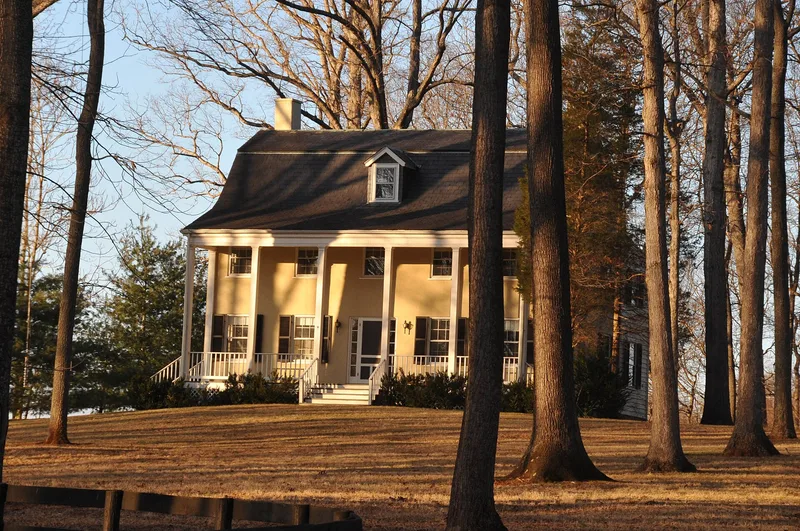
North Wales is a 1,288-acre estate southwest of Warrenton, Virginia, where thoroughbred horses still graze rolling pastures among dozens of historic buildings. Its core is a stone Georgian house built between 1776 and 1796 for William Allason, with a summer kitchen, smokehouse and bank barn from the same era. Between 1916 and 1920, New York broker Edward Weld hired the Boston firm of Little and Browne to enlarge the house with Colonial Revival wings and to design a carriage house, gatehouse, equestrian center, yearling stables and formal landscape including a long allee of maples. Weld's changes turned a Southern plantation into a northern horseman's hunting and breeding estate. Walter Chrysler, Jr. added a conservatory, swimming pool and other features in 1948. The property is recognized for its agriculture, horse industry, recreation, architecture and landscape design. Despite some losses in the 1960s, most of its historic character survives.
Machine-generated summary. This summary was generated by a language model from the official nomination document and has not been reviewed line by line by an editor. It may contain errors. Check the source document before relying on any detail. Source: nomination document (PDF) · catalog entry. Generated October 2026 (model claude-sonnet-5-5, prompt v1.0-2026-10-29).
| Period of significance | 1776-1796, 1916-1920, 1941-1948 |
|---|---|
| Styles | Georgian; Colonial Revival |
| Areas of significance | Agriculture, Industry, Architecture, Entertainment/Recreation, Landscape Architecture |
| Acreage | 1287.9 |
| Boundary source | NPS cultural-resource GIS polygon |
| Full listing page | North Wales (property record) |
What listing means for this property
This is a historic district. Buildings within its boundary are either contributing (they add to the district's significance) or non-contributing. Owners of contributing income-producing buildings can claim the 20% federal rehabilitation tax credit; homeowners should look at state credits. National Register districts impose no design review by themselves; a local historic district ordinance, if one exists, does (the difference explained).
General information, not legal or tax advice. Rules change; confirm with your State Historic Preservation Office or a qualified adviser.