Mt. Bleak-Skye Farm (030-0283)

Why it's listed
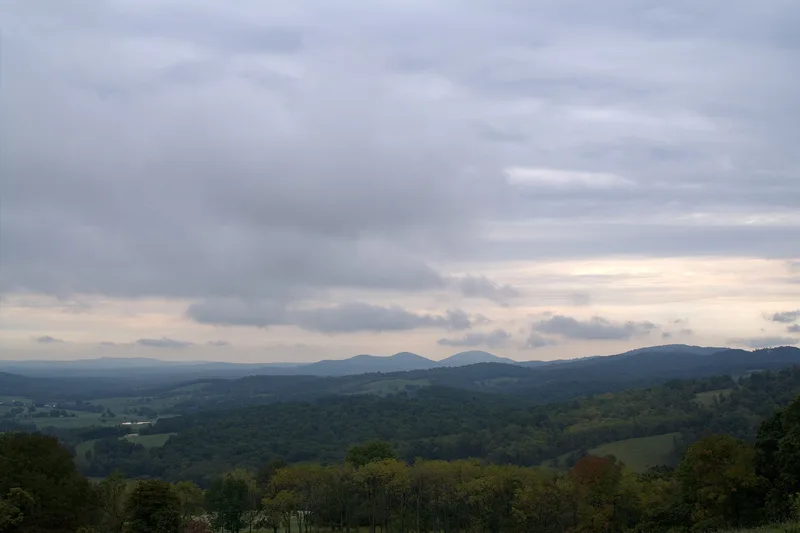
Sky Meadows State Park in northwestern Fauquier County, Virginia, occupies about 1,618 acres of meadows, hollows and ridges beneath the Blue Ridge. The land combines four plantations associated with the Edmonds, Settle, Morgan and Timberlake families. It contains 23 contributing buildings, one site and three structures dating from about 1780 to 1954. Wayside Cottage, built around 1780 for John Edmonds, keeps its hall-and-chamber plan and early attic framing despite later changes. Abner Settle built the stone Federal-style Mount Bleak mansion around 1843 and added a frame wing about 1850. Its carved stair, molded trim and faux-grained doors show quality craftsmanship. A carriage and corn house, log summer kitchen, meeting house, barns and stone fences record two centuries of farming. The park is surrounded by farmland, which gives the district strong integrity of setting. Its significance rests on its architecture and its long agricultural history.
Machine-generated summary. This summary was generated by a language model from the official nomination document and has not been reviewed line by line by an editor. It may contain errors. Check the source document before relying on any detail. Source: nomination document (PDF) · catalog entry. Generated October 2026 (model claude-sonnet-5-5, prompt v1.0-2026-10-29).
| Period of significance | 1780-1954 |
|---|---|
| Styles | Early Republic: Federal; Other: Vernacular |
| Areas of significance | Architecture, Agriculture |
| Acreage | 1618.3 |
| Boundary source | NPS cultural-resource GIS polygon |
| Full listing page | Mt. Bleak-Skye Farm (030-0283) (property record) |
What listing means for this property
This is a historic district. Buildings within its boundary are either contributing (they add to the district's significance) or non-contributing. Owners of contributing income-producing buildings can claim the 20% federal rehabilitation tax credit; homeowners should look at state credits. National Register districts impose no design review by themselves; a local historic district ordinance, if one exists, does (the difference explained).
General information, not legal or tax advice. Rules change; confirm with your State Historic Preservation Office or a qualified adviser.