Mount Pleasant

Why it's listed
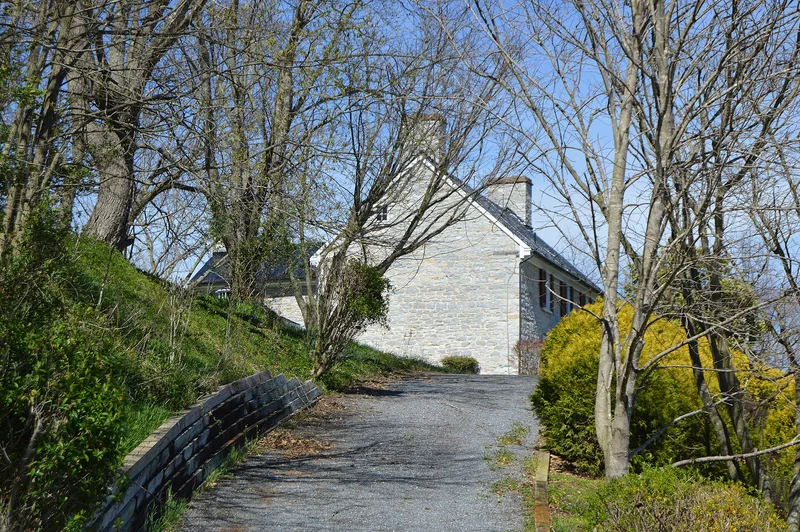
Mount Pleasant is a limestone farmhouse on a knoll above the Middle River near Spring Hill in northwest Augusta County, Virginia. The main block has two stories, a raised basement, end chimneys and a gable roof, with a hall-parlor plan that differs from the three-room central-passage houses common in the area. A rear ell and extensive woodwork, including ornate Federal mantels and original cupboard graining, date from a mid-19th-century remodeling. The farm covers 316 acres, crossed by Moffett Creek, and holds outbuildings ranging from early barn sections to mid-20th-century farm structures and the ruins of a mill. The property is also associated with Colonel George Moffett, who bought the land in 1786. He served as county lieutenant, sheriff and justice, and led Virginia militia in Revolutionary War battles including King's Mountain and Cowpens. A later amendment dates the house earlier and counts only the main house as contributing.
Machine-generated summary. This summary was generated by a language model from the official nomination document and has not been reviewed line by line by an editor. It may contain errors. Check the source document before relying on any detail. Source: nomination document (PDF) · catalog entry. Generated October 2026 (model claude-sonnet-5-5, prompt v1.0-2026-10-29).
| Period of significance | 1787-1850 |
|---|---|
| Styles | Early Republic/Federal (amended form: Colonial/Georgian) |
| Areas of significance | Military, Politics/Government, Architecture |
| Acreage | 316.2 |
| Boundary source | NPS cultural-resource GIS polygon |
| Full listing page | Mount Pleasant (property record) |
What listing means for this property
This is a historic district. Buildings within its boundary are either contributing (they add to the district's significance) or non-contributing. Owners of contributing income-producing buildings can claim the 20% federal rehabilitation tax credit; homeowners should look at state credits. National Register districts impose no design review by themselves; a local historic district ordinance, if one exists, does (the difference explained).
General information, not legal or tax advice. Rules change; confirm with your State Historic Preservation Office or a qualified adviser.