Montpelier

Why it's listed
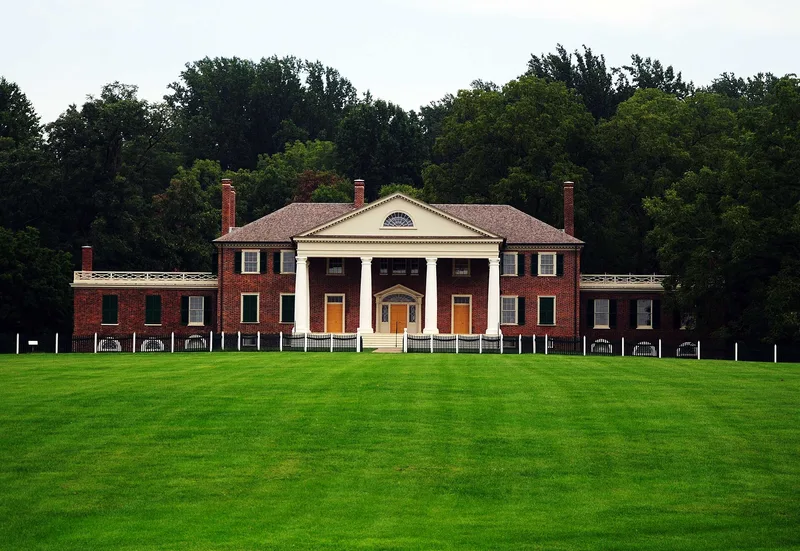
Montpelier is the Orange County, Virginia, estate where James Madison lived for 76 years. Madison was born in King George County in 1751 and moved to Orange County with his parents in 1760, where his father built the central portion of the house. Apart from his years of public service, including the Continental Congress, Secretary of State and the presidency from 1809 to 1817, he remained at Montpelier. In retirement he and his wife Dolly received a steady stream of visitors. Madison landscaped the grounds and enlarged the mansion with a large Doric portico, which Thomas Jefferson designed, and one-room wings on each side, along with outbuildings on a 4,500-acre estate. Madison died there in 1836, and Dolly Madison was later buried beside him. The nominated district covers about 1,767 acres. It was recognized for its association with Madison and his political career. The grounds and mansion were reported in excellent condition and carefully maintained.
Machine-generated summary. This summary was generated by a language model from the official nomination document and has not been reviewed line by line by an editor. It may contain errors. Check the source document before relying on any detail. Source: nomination document (PDF) · catalog entry. Generated October 2026 (model claude-sonnet-5-5, prompt v1.0-2026-10-29).
| Areas of significance | Politics/Government |
|---|---|
| Acreage | 1100 |
| Boundary source | NPS cultural-resource GIS polygon |
| Full listing page | Montpelier (property record) |
What listing means for this property
This is a historic district. Buildings within its boundary are either contributing (they add to the district's significance) or non-contributing. Owners of contributing income-producing buildings can claim the 20% federal rehabilitation tax credit; homeowners should look at state credits. National Register districts impose no design review by themselves; a local historic district ordinance, if one exists, does (the difference explained).
General information, not legal or tax advice. Rules change; confirm with your State Historic Preservation Office or a qualified adviser.