Manchester Residential and Commercial Historic District

Why it's listed
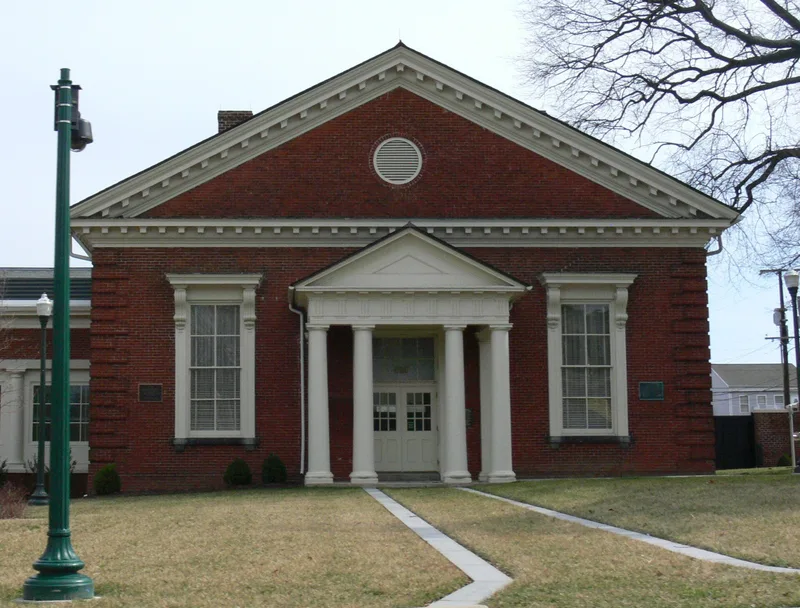
Manchester Residential and Commercial Historic District covers a section of the former city of Manchester, on a rise south of the James River in Richmond, Virginia. Hull Street holds commercial and government buildings, while Bainbridge, Porter and Perry Streets hold mainly houses, churches and schools. Most of the 247 buildings date from 1866 to 1917, when railroads, shipping, manufacturing and flour milling brought prosperity to a city that grew from 3,207 residents in 1874 to 5,729 in 1880. Queen Anne is the leading style, joined by Italianate, Colonial Revival, Greek Revival and Georgian examples. The oldest building is the Archibald Freeland House, built before 1797. The district also records the Reconstruction era, including the Black-owned Reformers Mercantile and Industrial Association and the career of Ballard T. Edwards, a Black legislator, bricklayer and contractor. Its Sanborn-mapped urban fabric replaced earlier scattered frame buildings and remains largely intact.
Machine-generated summary. This summary was generated by a language model from the official nomination document and has not been reviewed line by line by an editor. It may contain errors. Check the source document before relying on any detail. Source: nomination document (PDF) · catalog entry. Generated October 2026 (model claude-sonnet-5-5, prompt v1.0-2026-10-29).
| Styles | Colonial Georgian, Greek Revival, Gothic Revival, Italianate, Queen Anne, Romanesque, Colonial Revival, Commercial, American Foursquare, Modern Movement, Art Deco |
|---|---|
| Areas of significance | Architecture, Commerce, Education, Entertainment/Recreation, Politics/Government, Religion |
| Acreage | 75 |
| Boundary source | NPS cultural-resource GIS polygon |
| Full listing page | Manchester Residential and Commercial Historic District (property record) |
What listing means for this property
This is a historic district. Buildings within its boundary are either contributing (they add to the district's significance) or non-contributing. Owners of contributing income-producing buildings can claim the 20% federal rehabilitation tax credit; homeowners should look at state credits. National Register districts impose no design review by themselves; a local historic district ordinance, if one exists, does (the difference explained).
General information, not legal or tax advice. Rules change; confirm with your State Historic Preservation Office or a qualified adviser.