Madison Farm Historic and Archeological District

Why it's listed
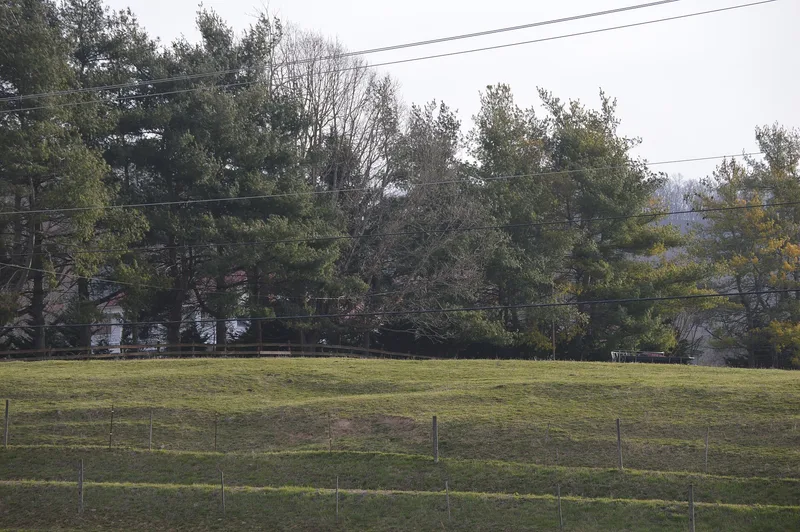
Madison Farm is a 115-acre working farm near Elliston in Montgomery County, Virginia, set on a knoll above fields that run west to the South Fork of the Roanoke River. Its centerpiece is a two-story frame house built around 1775 for John Madison, with Flemish-bond brick chimneys and original beaded weatherboards. Later generations added a log-and-frame ell and remodeled the interior, including late nineteenth-century changes that turned the original hall-parlor plan into a side-passage plan. Nearby stand a log meat house, an early frame outbuilding traditionally linked to a family servant, and a log corncrib. Archaeological testing found two well-preserved sites: a Late Woodland village known as the Marye Site, dated by radiocarbon to about A.D. 1530, and the Madison House Site, with eighteenth- and nineteenth-century deposits including a former kitchen area. Together these resources document prehistoric settlement and more than a century of farm life.
Machine-generated summary. This summary was generated by a language model from the official nomination document and has not been reviewed line by line by an editor. It may contain errors. Check the source document before relying on any detail. Source: nomination document (PDF) · catalog entry. Generated October 2026 (model claude-sonnet-5-5, prompt v1.0-2026-10-29).
| Period of significance | ca. A.D. 800-1600; ca. 1775-ca. 1900 |
|---|---|
| Styles | Other: hall-parlor plan |
| Areas of significance | Prehistoric, Historic - Non-Aboriginal, Architecture |
| Acreage | 115 |
| Boundary source | NPS cultural-resource GIS polygon |
| Full listing page | Madison Farm Historic and Archeological District (property record) |
What listing means for this property
This is a historic district. Buildings within its boundary are either contributing (they add to the district's significance) or non-contributing. Owners of contributing income-producing buildings can claim the 20% federal rehabilitation tax credit; homeowners should look at state credits. National Register districts impose no design review by themselves; a local historic district ordinance, if one exists, does (the difference explained).
General information, not legal or tax advice. Rules change; confirm with your State Historic Preservation Office or a qualified adviser.