Madison County Courthouse Historic District

Why it's listed
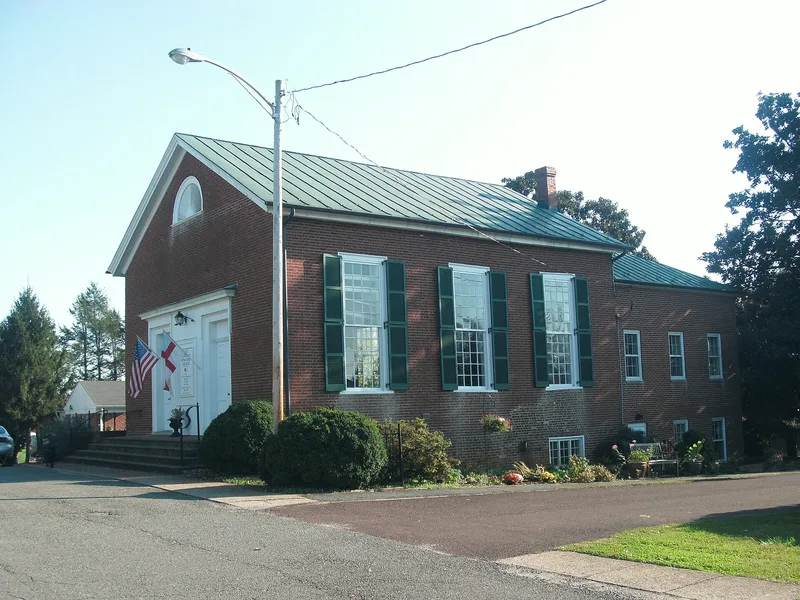
Madison's town center in Madison County, Virginia, forms a historic district of about ninety-six buildings along Main Street (Route 231) and a side road, Route 1001. Its anchor is the brick courthouse of 1829-30, built by Malcolm Crawford, William B. Phillips and Richard Boulware, who had worked at the University of Virginia. The courthouse's first-story arcade was echoed in later commercial buildings such as the Arcade building, the Madison Drug Company building and the Health Department building. Nearby are an early tavern, an 1830s church, Greek Revival houses and churches with porches and doorways drawn from Asher Benjamin's pattern book, and later Eastlake, Italianate, bungalow and Colonial Revival buildings. Of the buildings, 67 contribute to the district's character and 29 do not. Because Route 29 was routed east of town and new growth occurred outside the town limits, the older streetscape, with its large yards and mature trees, has stayed largely intact.
Machine-generated summary. This summary was generated by a language model from the official nomination document and has not been reviewed line by line by an editor. It may contain errors. Check the source document before relying on any detail. Source: nomination document (PDF) · catalog entry. Generated October 2026 (model claude-sonnet-5-5, prompt v1.0-2026-10-29).
| Styles | Mixed 19th- and 20th-century styles including Greek Revival, Federal, Eastlake, Italianate, Colonial Revival and vernacular |
|---|---|
| Areas of significance | Commerce, Transportation, Politics/Government, Architecture |
| Acreage | 95 |
| Boundary source | NPS cultural-resource GIS polygon |
| Full listing page | Madison County Courthouse Historic District (property record) |
What listing means for this property
This is a historic district. Buildings within its boundary are either contributing (they add to the district's significance) or non-contributing. Owners of contributing income-producing buildings can claim the 20% federal rehabilitation tax credit; homeowners should look at state credits. National Register districts impose no design review by themselves; a local historic district ordinance, if one exists, does (the difference explained).
General information, not legal or tax advice. Rules change; confirm with your State Historic Preservation Office or a qualified adviser.