Luke Mountain Historic District

Why it's listed
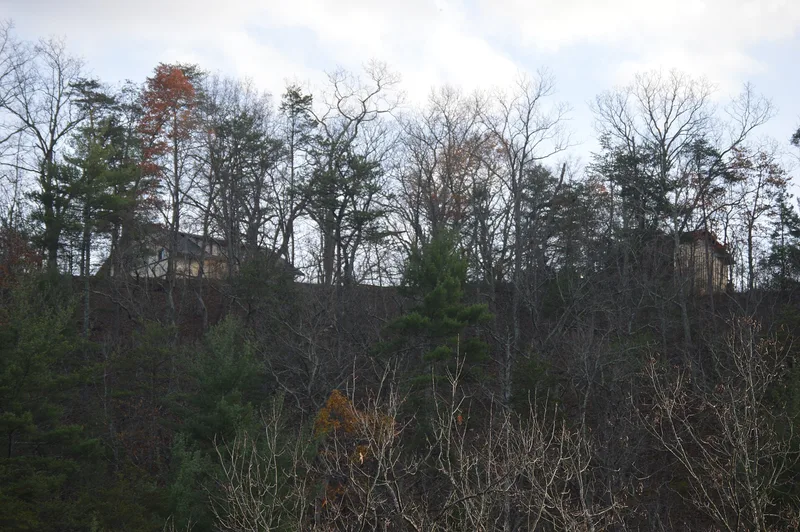
Luke Mountain, overlooking Covington, Virginia, holds a roughly 100-acre enclave of three large family houses and their supporting grounds. William A. Luke Sr., general manager of the Covington paper plant later known as Westvaco, bought the land in 1917 and built Pen-Y-Bryn in 1919, an Arts-and-Crafts-influenced mansion probably designed by Roanoke architect Edward Graham Frye. His son and daughter later added Glencairn (1929), a Tudor Revival house by Eubank & Caldwell, and Homewood (1938), a Colonial Revival house by Smithey & Boynton. The estate also includes a former farm manager's house, barns, a corn crib, a pool house, terraced gardens, pastures, walking trails, a reservoir, a winding entrance road, and gateposts. Of 29 resources, 23 contribute to the district's character. It is significant for its link to Luke and the paper industry that shaped Covington, and as a distinctive gentleman farmer's country estate that became a family compound between 1916 and 1947.
Machine-generated summary. This summary was generated by a language model from the official nomination document and has not been reviewed line by line by an editor. It may contain errors. Check the source document before relying on any detail. Source: nomination document (PDF) · catalog entry. Generated October 2026 (model claude-sonnet-5-5, prompt v1.0-2026-10-29).
| Period of significance | 1916-1947 |
|---|---|
| Styles | Craftsman/Bungalow, Tudor Revival, Colonial Revival |
| Areas of significance | Industry, Architecture |
| Acreage | 100 |
| Boundary source | NPS cultural-resource GIS polygon |
| Full listing page | Luke Mountain Historic District (property record) |
What listing means for this property
This is a historic district. Buildings within its boundary are either contributing (they add to the district's significance) or non-contributing. Owners of contributing income-producing buildings can claim the 20% federal rehabilitation tax credit; homeowners should look at state credits. National Register districts impose no design review by themselves; a local historic district ordinance, if one exists, does (the difference explained).
General information, not legal or tax advice. Rules change; confirm with your State Historic Preservation Office or a qualified adviser.