Lawrenceville Historic District (Additional Documentation)

Why it's listed
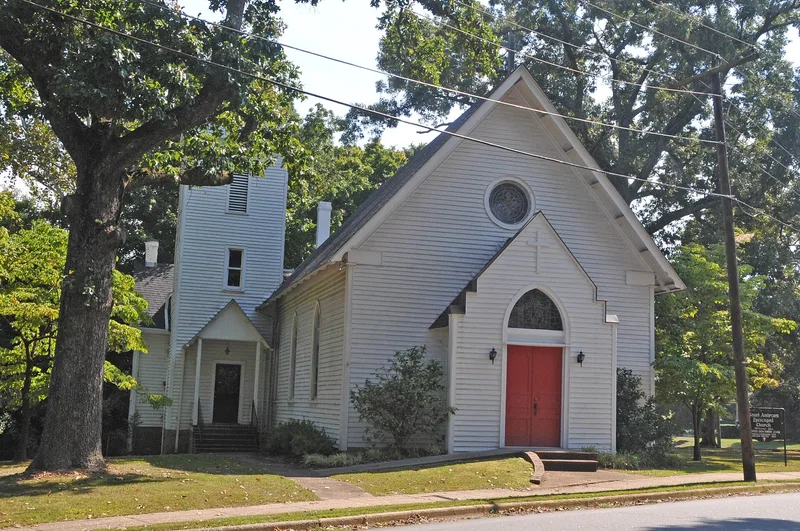
Lawrenceville, the seat of Brunswick County, Virginia, is represented by a historic district that takes in its courthouse square, downtown commercial blocks, residential streets, a college campus and a former railroad yard. The town grew around a crossing of colonial stage roads, and the county seat was placed there in 1781. Its greatest growth followed the arrival of the Atlantic and Danville Railroad in 1891, which brought new stores, banks and workers' housing. St. Paul's College, founded in 1888 by James Solomon Russell, a former slave and Episcopal minister, anchors the district's education and ethnic heritage themes. New Deal work in 1934-35 added a baseball stadium and swimming pool. The buildings span Federal, Greek Revival, Queen Anne, Colonial Revival and Craftsman styles. Archaeological work has revealed subsurface remains of the railroad yard, shops, turntable and roundhouse. The district's period of significance runs from 1784 to 1949.
Machine-generated summary. This summary was generated by a language model from the official nomination document and has not been reviewed line by line by an editor. It may contain errors. Check the source document before relying on any detail. Source: nomination document (PDF) · catalog entry. Generated October 2026 (model claude-sonnet-5-5, prompt v1.0-2026-10-29).
| Period of significance | 1784-1949 |
|---|---|
| Styles | Federal, Greek Revival, Gothic Revival, Queen Anne, Colonial Revival, Tudor Revival, Bungalow/Craftsman, American Four-Square, Moderne and other styles |
| Areas of significance | Social History |
| Acreage | 285 |
| Boundary source | NPS cultural-resource GIS polygon |
| Full listing page | Lawrenceville Historic District (Additional Documentation) (property record) |
What listing means for this property
This is a historic district. Buildings within its boundary are either contributing (they add to the district's significance) or non-contributing. Owners of contributing income-producing buildings can claim the 20% federal rehabilitation tax credit; homeowners should look at state credits. National Register districts impose no design review by themselves; a local historic district ordinance, if one exists, does (the difference explained).
General information, not legal or tax advice. Rules change; confirm with your State Historic Preservation Office or a qualified adviser.