Kingsmill Plantation

Why it's listed
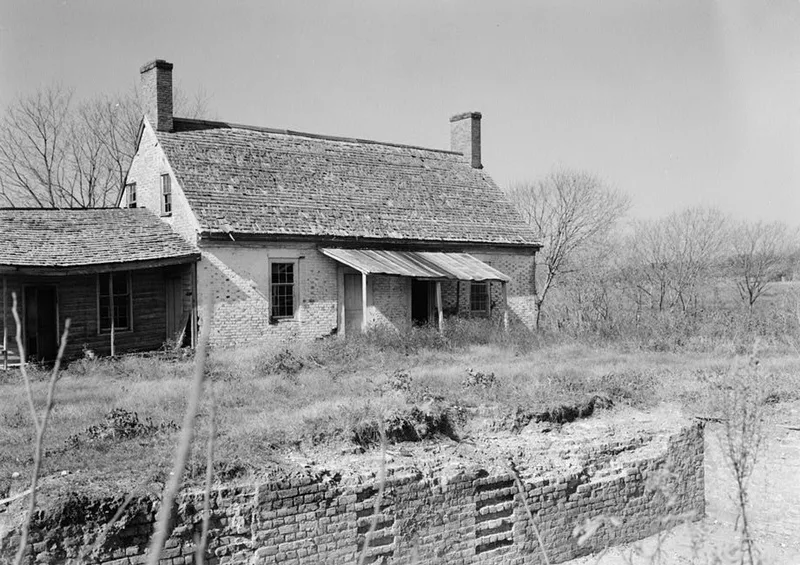
Kingsmill Plantation, about five miles south of Williamsburg, was the home of Colonel Lewis Burwell and was built around 1736. A contemporary description listed a mansion, outhouses, garden and 1,400 acres. The mansion burned or was destroyed about 1843, leaving its foundation and cellar, a terraced garden and two matching brick dependencies, the office and the kitchen. Laid in Flemish bond with glazed headers and gauged brick arches, they are among the earliest brick dependencies in Virginia and are rare survivors of buildings set in front of a mansion to frame a forecourt. The site also includes at least ten outbuilding sites and Burwell's Landing on the James River, where Burwell worked as naval officer. In November 1775 American riflemen skirmished there with British vessels, and earthen forts built afterward fell to the British in 1781. A 1782 map and a test excavation of a well point to strong archaeological potential.
Machine-generated summary. This summary was generated by a language model from the official nomination document and has not been reviewed line by line by an editor. It may contain errors. Check the source document before relying on any detail. Source: nomination document (PDF) · catalog entry. Generated October 2026 (model claude-sonnet-5-5, prompt v1.0-2026-10-29).
| Period of significance | 18th Century |
|---|---|
| Areas of significance | Historic - Non-Aboriginal, Architecture |
| Acreage | 135 |
| Boundary source | NPS cultural-resource GIS polygon |
| Full listing page | Kingsmill Plantation (property record) |
What listing means for this property
This is a historic district. Buildings within its boundary are either contributing (they add to the district's significance) or non-contributing. Owners of contributing income-producing buildings can claim the 20% federal rehabilitation tax credit; homeowners should look at state credits. National Register districts impose no design review by themselves; a local historic district ordinance, if one exists, does (the difference explained).
General information, not legal or tax advice. Rules change; confirm with your State Historic Preservation Office or a qualified adviser.