Jefferson, Martha, Historic District

Why it's listed
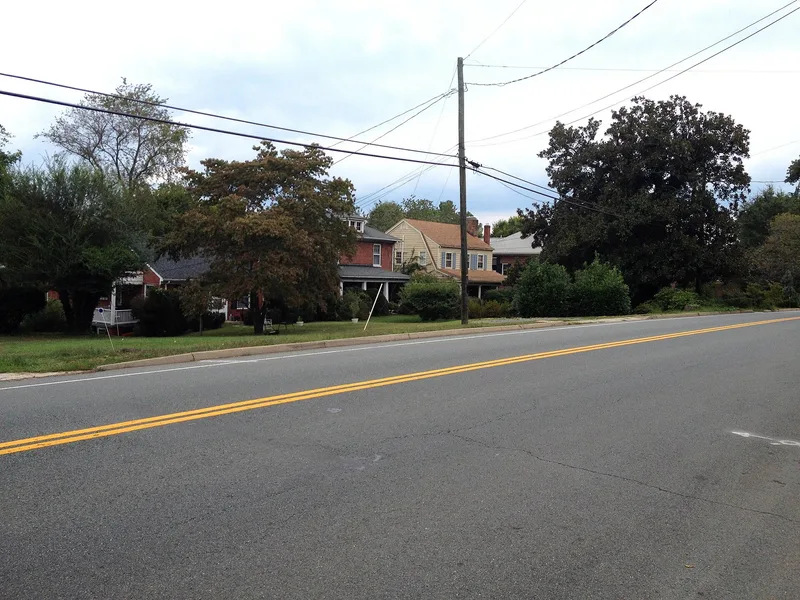
Northeast of downtown Charlottesville lies a 58.88-acre neighborhood of tree-lined streets and mostly two-story brick and frame houses. Almost all of it was built between 1893 and 1957 on land once tied to Locust Grove, a Greek Revival plantation house built in 1840-44 for the Sinclair family. In 1892 the Locust Grove Investment Company bought the land, subdivided it, and built eleven speculative houses in the 1890s. Most homes are modest vernacular designs, likely drawn from pattern books, with Late Victorian porch details, Colonial Revival columns and cornices, and later Bungalow/Craftsman examples. Some were built of early rock-faced concrete block by the Lupton construction firm. Maplewood Cemetery is the district's only green space, and Martha Jefferson Hospital occupies much of the southern end. Original architectural fabric survives largely intact, with additions mostly at the rear, which makes the area a well-preserved example of Charlottesville's early suburban growth.
Machine-generated summary. This summary was generated by a language model from the official nomination document and has not been reviewed line by line by an editor. It may contain errors. Check the source document before relying on any detail. Source: nomination document (PDF) · catalog entry. Generated October 2026 (model claude-sonnet-5-5, prompt v1.0-2026-10-29).
| Styles | Late Victorian; Colonial Revival; Bungalow/Craftsman; Greek Revival |
|---|---|
| Areas of significance | Architecture, Community Planning and Development, Health/Medicine |
| Acreage | 58.9 |
| Boundary source | NPS cultural-resource GIS polygon |
| Full listing page | Jefferson, Martha, Historic District (property record) |
What listing means for this property
This is a historic district. Buildings within its boundary are either contributing (they add to the district's significance) or non-contributing. Owners of contributing income-producing buildings can claim the 20% federal rehabilitation tax credit; homeowners should look at state credits. National Register districts impose no design review by themselves; a local historic district ordinance, if one exists, does (the difference explained).
General information, not legal or tax advice. Rules change; confirm with your State Historic Preservation Office or a qualified adviser.