Fort C. F. Smith Historic District

Why it's listed
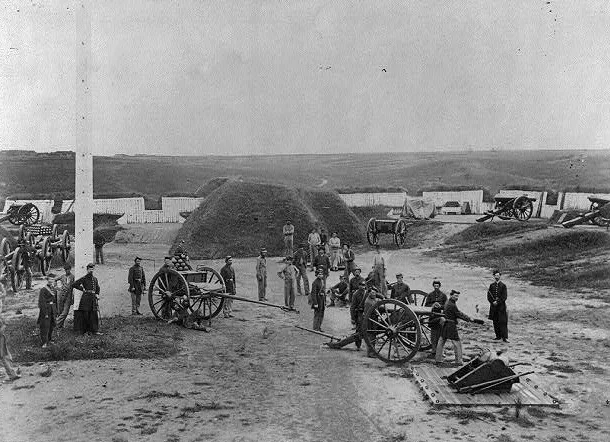
Fort C.F. Smith Park in Arlington, Virginia, covers 19 acres on a bluff overlooking the Potomac River and Spout Run. It preserves the earthworks of a Civil War fort that was occupied from 1863 to 1865 and built mid-war to strengthen the defenses of Washington. The fort was a lunette with two faces and two flanks, and its bastions on the north flank are an unusual feature for that type of work. After the army dismantled the fort in the fall of 1865, the land returned to the Jewell family and later became a private estate. The estate's main house combines Gothic Revival, Stick, Queen Anne, Shingle, Craftsman and Colonial Revival elements, and the grounds include gardens and a vista toward Georgetown. The ruins were integrated into the landscape rather than reshaped, which helped protect them. The district is listed for its military history and for archaeological deposits from the Woodland period to the twentieth century.
Machine-generated summary. This summary was generated by a language model from the official nomination document and has not been reviewed line by line by an editor. It may contain errors. Check the source document before relying on any detail. Source: nomination document (PDF) · catalog entry. Generated October 2026 (model claude-sonnet-5-5, prompt v1.0-2026-10-29).
| Period of significance | 1863-1865 |
|---|---|
| Styles | Mixed |
| Areas of significance | Military, Historic - Non-Aboriginal |
| Acreage | 19 |
| Boundary source | NPS cultural-resource GIS polygon |
| Full listing page | Fort C. F. Smith Historic District (property record) |
What listing means for this property
This is a historic district. Buildings within its boundary are either contributing (they add to the district's significance) or non-contributing. Owners of contributing income-producing buildings can claim the 20% federal rehabilitation tax credit; homeowners should look at state credits. National Register districts impose no design review by themselves; a local historic district ordinance, if one exists, does (the difference explained).
General information, not legal or tax advice. Rules change; confirm with your State Historic Preservation Office or a qualified adviser.