Fifth Avenue Historic District

Why it's listed
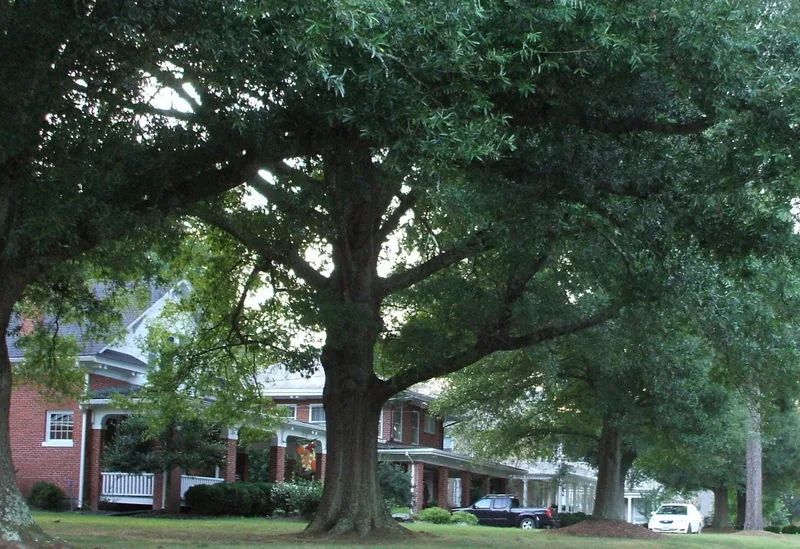
Fifth Avenue in Kenbridge, Virginia, is lined with the town's earliest and largest houses, built between about 1890 and 1930 for local leaders. The historic district runs five blocks between Broad and Maple streets, with houses set back on broad lawns with mature trees. It has sixty-three contributing buildings, nine non-contributing buildings and four non-contributing structures. The area developed after the Virginian Railroad reached the community in 1906 and the town was incorporated in 1908, when lots were sold along newly platted streets. Queen Anne houses, some with sawn ornament and others with classical details, came first. Transitional Queen Anne and Colonial Revival homes followed, then frame and brick Colonial Revival houses, two American Foursquares and several Bungalow/Craftsman dwellings. Non-residential buildings include a funeral home, a former hospital converted to a house, a physician's office and a 1948 Baptist church. Together they record the growth of a railroad town and the taste of its prosperous residents.
Machine-generated summary. This summary was generated by a language model from the official nomination document and has not been reviewed line by line by an editor. It may contain errors. Check the source document before relying on any detail. Source: nomination document (PDF) · catalog entry. Generated October 2026 (model claude-sonnet-5-5, prompt v1.0-2026-10-29).
| Styles | Late Victorian (Queen Anne, Stick/Eastlake); Colonial Revival, Greek Revival; Bungalow/Craftsman, Foursquare; Moderne, Art Deco |
|---|---|
| Areas of significance | Architecture |
| Acreage | 23 |
| Boundary source | NPS cultural-resource GIS polygon |
| Full listing page | Fifth Avenue Historic District (property record) |
What listing means for this property
This is a historic district. Buildings within its boundary are either contributing (they add to the district's significance) or non-contributing. Owners of contributing income-producing buildings can claim the 20% federal rehabilitation tax credit; homeowners should look at state credits. National Register districts impose no design review by themselves; a local historic district ordinance, if one exists, does (the difference explained).
General information, not legal or tax advice. Rules change; confirm with your State Historic Preservation Office or a qualified adviser.