Eastville Historic District

Why it's listed
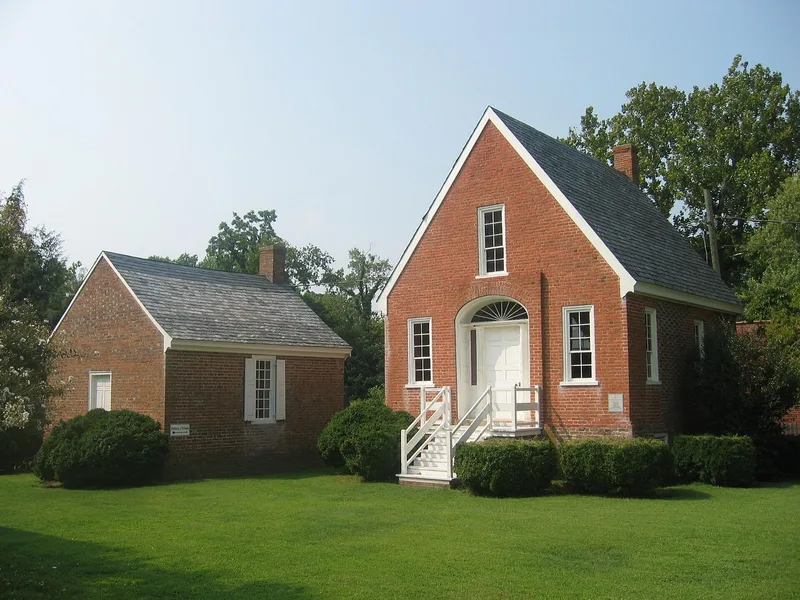
Eastville Historic District covers the county seat of Northampton County on Virginia's Eastern Shore, along with the nearby communities of James Crossroads, Stumptown and Eastville Station. The town grew around its courthouse green after becoming the first permanent county seat in 1690. The oldest surviving courthouse, built in 1731 by John Marshall, is a small Flemish-bond brick building that was moved in 1913 to make room for a Confederate monument. Nearby are a clerk's office from about 1750, Park Hall, the earliest surviving house, and several Federal-style homes such as Ingleside, Cessford and the Maria Robins House. Cessford retains the only documented slave quarter in the district. The railroad arrived in 1884 and brought prosperity, which diversified the architecture and added late Victorian and Colonial Revival buildings. Stumptown's worker housing contrasts with high-style houses elsewhere, and James Crossroads developed around Bethel AME Church as a center of African-American community life. The district contains 321 resources in total.
Machine-generated summary. This summary was generated by a language model from the official nomination document and has not been reviewed line by line by an editor. It may contain errors. Check the source document before relying on any detail. Source: nomination document (PDF) · catalog entry. Generated October 2026 (model claude-sonnet-5-5, prompt v1.0-2026-10-29).
| Styles | Colonial, Federal, Gothic, Italianate, Second Empire, Queen Anne, Colonial Revival, Bungalow/Craftsman, I-houses, Modern Movement |
|---|---|
| Areas of significance | Architecture, Politics/Government, Commerce, Black |
| Acreage | 478.6 |
| Boundary source | NPS cultural-resource GIS polygon |
| Full listing page | Eastville Historic District (property record) |
What listing means for this property
This is a historic district. Buildings within its boundary are either contributing (they add to the district's significance) or non-contributing. Owners of contributing income-producing buildings can claim the 20% federal rehabilitation tax credit; homeowners should look at state credits. National Register districts impose no design review by themselves; a local historic district ordinance, if one exists, does (the difference explained).
General information, not legal or tax advice. Rules change; confirm with your State Historic Preservation Office or a qualified adviser.