Cromwell's Run Rural Historic District (Boundary Increase)

Why it's listed
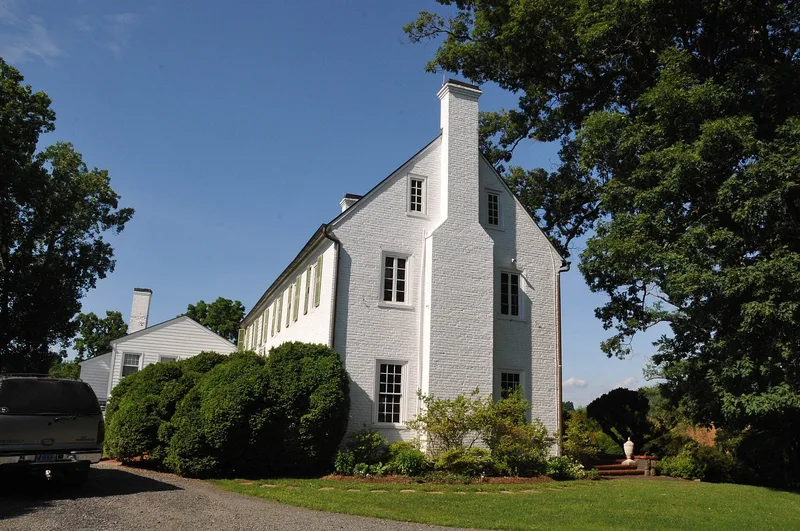
This 58-acre addition to Cromwell's Run Rural Historic District lies along U.S. Route 50 and Rectors Lane at the western edge of Atoka, Virginia, bounded by Goose Creek and the Loudoun County line. It contains five dwellings, a school, a run-in shed, a pool and pool house, and a garage, all built in the late twentieth century. The best known is the brick dwelling at Heron's Court Farm, designed in 1963 by architect J. Sanford Potter with English manor house influences. The land was added because it had been left out of the original district by oversight and shares its open pastures, stone walls, board fences and historic road. It also sits within the area of the June 1863 cavalry fighting at Goose Creek and the stone bridge, where the rise at Heron's Court Farm gave Union troops a strong vantage point. Although none of the buildings are of historic age, they fit the scale and character of the surroundings.
Machine-generated summary. This summary was generated by a language model from the official nomination document and has not been reviewed line by line by an editor. It may contain errors. Check the source document before relying on any detail. Source: nomination document (PDF) · catalog entry. Generated October 2026 (model claude-sonnet-5-5, prompt v1.0-2026-10-29).
| Period of significance | circa 1830 to 1958 |
|---|---|
| Styles | Other: Split-level, Ranch, Neo-Colonial Revival |
| Areas of significance | Architecture, Military, Transportation |
| Acreage | 57.7 |
| Boundary source | NPS cultural-resource GIS polygon |
| Full listing page | Cromwell's Run Rural Historic District (Boundary Increase) (property record) |
What listing means for this property
This is a historic district. Buildings within its boundary are either contributing (they add to the district's significance) or non-contributing. Owners of contributing income-producing buildings can claim the 20% federal rehabilitation tax credit; homeowners should look at state credits. National Register districts impose no design review by themselves; a local historic district ordinance, if one exists, does (the difference explained).
General information, not legal or tax advice. Rules change; confirm with your State Historic Preservation Office or a qualified adviser.