Cool Spring Battlefield

Why it's listed
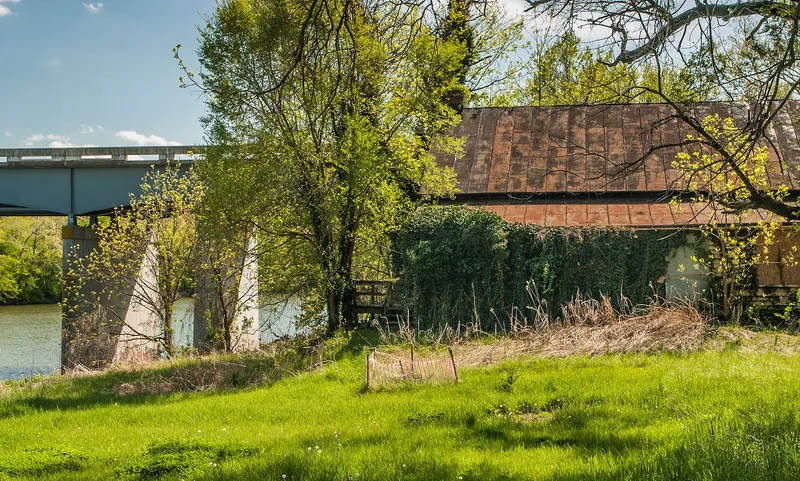
Cool Spring Battlefield occupies roughly three miles of the Shenandoah River valley in northeastern Clarke County, Virginia. The district takes in the ground fought over on July 16-20, 1864, including river bottomland, terraces, limestone ridges, ravines and the gap at Snickers Gap. The fighting took place on two plantations: Cool Spring, on the west bank, and Retreat, on the east. The landscape shaped the engagement. Ravines hid massed Confederate troops from Union view and artillery, while a limestone bluff gave retreating skirmishers a defensible line. The district also holds archaeological sites and mid-19th-century buildings from the plantations, farms, roads, mining and milling that supported the local wheat economy. The battle was part of the campaign that followed Jubal Early's advance to the edge of Washington. The district is recognized for its military history, and its preserved terrain and remains make it possible to reconstruct and interpret the battle.
Machine-generated summary. This summary was generated by a language model from the official nomination document and has not been reviewed line by line by an editor. It may contain errors. Check the source document before relying on any detail. Source: nomination document (PDF) · catalog entry. Generated October 2026 (model claude-sonnet-5-5, prompt v1.0-2026-10-29).
| Period of significance | 1864 |
|---|---|
| Styles | Colonial: Georgian; Early Republic: Federal; Mid-19th Century: Greek Revival |
| Areas of significance | Military |
| Acreage | 4064 |
| Boundary source | NPS cultural-resource GIS polygon |
| Full listing page | Cool Spring Battlefield (property record) |
What listing means for this property
This is a historic district. Buildings within its boundary are either contributing (they add to the district's significance) or non-contributing. Owners of contributing income-producing buildings can claim the 20% federal rehabilitation tax credit; homeowners should look at state credits. National Register districts impose no design review by themselves; a local historic district ordinance, if one exists, does (the difference explained).
General information, not legal or tax advice. Rules change; confirm with your State Historic Preservation Office or a qualified adviser.