Columbia Forest Historic District

Why it's listed
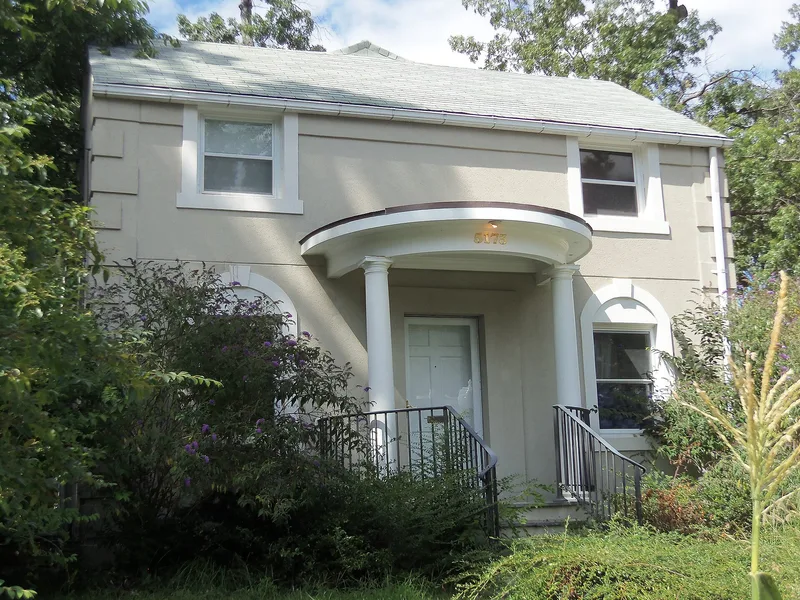
Columbia Forest is a small residential neighborhood in the southwest corner of Arlington County, Virginia, made up of 233 two-story Colonial Revival houses built between 1942 and 1945. It was created when the federal Defense Housing Corporation, working through the Army Corps of Engineers, sought to ease a wartime housing shortage for defense and government workers near Washington, D.C. Westbrook, Incorporated built the first phase in concrete block, and Jesse Johnson built the later brick phase. Builders varied the number of bays, wall material and gable orientation to produce seven house forms, each with the same number of rooms. Curving streets, cul-de-sacs, mature trees and houses set in close pairs give the area its character. Rear additions, replacement windows and new siding have changed some houses, yet the original massing, setbacks and overall feeling of a government-planned suburb remain largely intact. Later development around the district was excluded from the boundary.
Machine-generated summary. This summary was generated by a language model from the official nomination document and has not been reviewed line by line by an editor. It may contain errors. Check the source document before relying on any detail. Source: nomination document (PDF) · catalog entry. Generated October 2026 (model claude-sonnet-5-5, prompt v1.0-2026-10-29).
| Styles | Late 19th and 20th Century Revivals / Colonial Revival |
|---|---|
| Areas of significance | Community Planning and Development, Architecture |
| Acreage | 48 |
| Boundary source | NPS cultural-resource GIS polygon |
| Full listing page | Columbia Forest Historic District (property record) |
What listing means for this property
This is a historic district. Buildings within its boundary are either contributing (they add to the district's significance) or non-contributing. Owners of contributing income-producing buildings can claim the 20% federal rehabilitation tax credit; homeowners should look at state credits. National Register districts impose no design review by themselves; a local historic district ordinance, if one exists, does (the difference explained).
General information, not legal or tax advice. Rules change; confirm with your State Historic Preservation Office or a qualified adviser.