Chestnut Hill-Plateau Historic District

Why it's listed
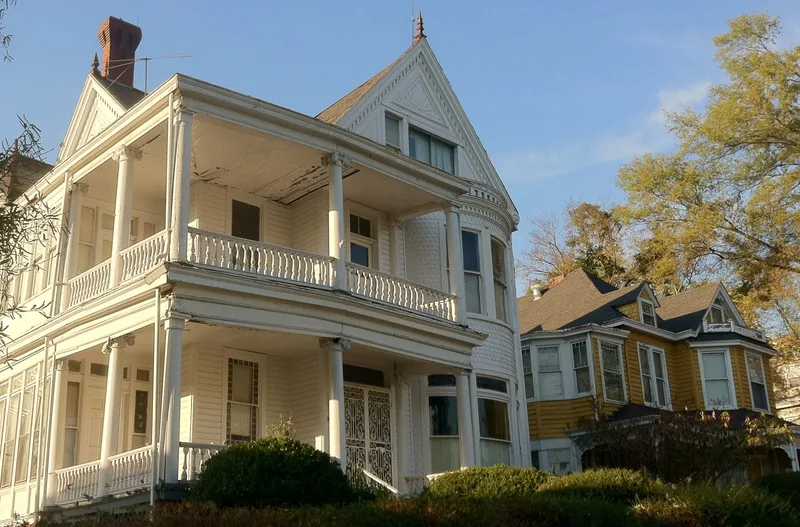
Chestnut Hill/Plateau is a streetcar-era neighborhood in Richmond, Virginia, forming the southern end of Highland Park. Developers bought the 135-acre Mount Comfort property in 1889 and laid it out as a grid of numbered avenues and tree-named cross streets. Growth was slow at first, with only about sixty houses standing in 1901, but building continued into the 1920s and later. Most of the 742 resources are two-story frame houses. Early examples include narrow side-passage dwellings and elaborate Queen Anne houses with towers and wraparound porches, while later blocks hold many American Foursquare houses and Bungalows, often built in groups by builders or real estate companies. Colonial Revival and Tudor Revival houses, a Greek Revival house predating the suburb, small commercial buildings, fraternal lodges and Gothic Revival churches add variety. Many garages also survive, some designed to match their houses. The area is recognized for its intact streetcar-suburb development and the range of house types built over several decades.
Machine-generated summary. This summary was generated by a language model from the official nomination document and has not been reviewed line by line by an editor. It may contain errors. Check the source document before relying on any detail. Source: nomination document (PDF) · catalog entry. Generated October 2026 (model claude-sonnet-5-5, prompt v1.0-2026-10-29).
| Styles | Queen Anne; Colonial Revival; Bungalow/Craftsman (also American Foursquare, Gothic Revival, Tudor Revival) |
|---|---|
| Areas of significance | Architecture, Commerce, Transportation |
| Acreage | 148 |
| Boundary source | NPS cultural-resource GIS polygon |
| Full listing page | Chestnut Hill-Plateau Historic District (property record) |
What listing means for this property
This is a historic district. Buildings within its boundary are either contributing (they add to the district's significance) or non-contributing. Owners of contributing income-producing buildings can claim the 20% federal rehabilitation tax credit; homeowners should look at state credits. National Register districts impose no design review by themselves; a local historic district ordinance, if one exists, does (the difference explained).
General information, not legal or tax advice. Rules change; confirm with your State Historic Preservation Office or a qualified adviser.