Chericoke

Why it's listed
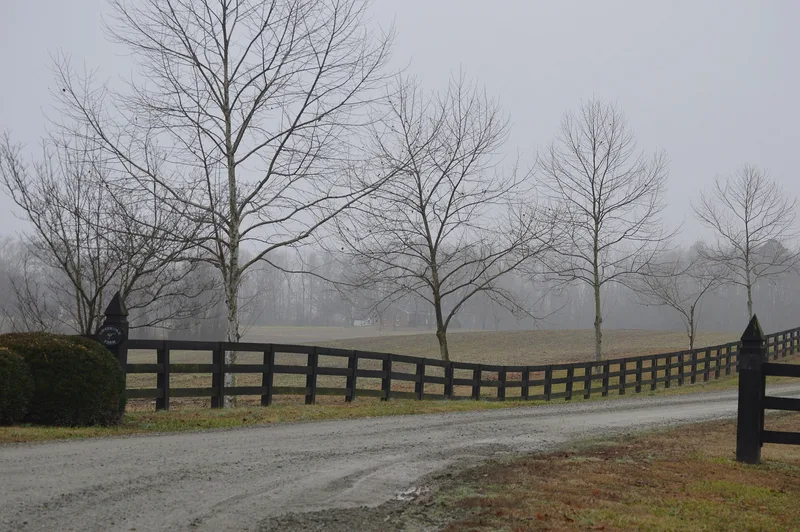
Chericoke is a plantation tract in southwestern King William County, Virginia, where a two-and-one-half-story brick house sits on a rise above the Pamunkey River bottom land. Built in 1828, it has Flemish bond brickwork, a high basement, a hipped roof with small dormers, and a two-story Doric portico facing the river. Inside, the L-shaped hall passage, a freestanding Tuscan column and fluted mantels and trim give the plain house unusual refinement. The house was built by Charles H. C. Braxton, grandson of Carter Braxton, a signer of the Declaration of Independence. It stands next to the site of Carter Braxton's large brick house, which burned in 1775. The district also takes in a surviving smokehouse, a mid-19th-century cemetery, and the reputed site of the 18th-century river landing. The house is described as a typical Federal-period planter's dwelling, akin to Richmond town houses, and the property has stayed with Braxton descendants.
Machine-generated summary. This summary was generated by a language model from the official nomination document and has not been reviewed line by line by an editor. It may contain errors. Check the source document before relying on any detail. Source: nomination document (PDF) · catalog entry. Generated October 2026 (model claude-sonnet-5-5, prompt v1.0-2026-10-29).
| Period of significance | 1800-1899 |
|---|---|
| Styles | Federal period, Adam-influenced; variation on the Georgian central-passage, double-pile plan |
| Areas of significance | Historic - Non-Aboriginal, Politics/Government, Architecture |
| Acreage | 37 |
| Boundary source | NPS cultural-resource GIS polygon |
| Full listing page | Chericoke (property record) |
What listing means for this property
This is a historic district. Buildings within its boundary are either contributing (they add to the district's significance) or non-contributing. Owners of contributing income-producing buildings can claim the 20% federal rehabilitation tax credit; homeowners should look at state credits. National Register districts impose no design review by themselves; a local historic district ordinance, if one exists, does (the difference explained).
General information, not legal or tax advice. Rules change; confirm with your State Historic Preservation Office or a qualified adviser.