Centreville-Fentress Historic District

Why it's listed
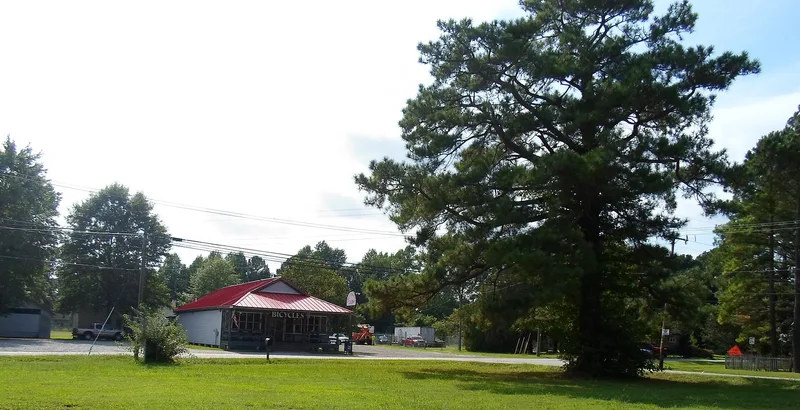
Centreville-Fentress is a rural crossroads community in Chesapeake, Virginia, spread over 257 acres. It formed where Fentress Road, the old Great Road between Norfolk and Elizabeth City, North Carolina, met Centerville Turnpike and Blue Ridge Road. The turnpike, created in 1878, carried farm produce to docks on the Albemarle and Chesapeake Canal, and a railroad station opened in 1881. Local truck farmers used these routes to reach distant markets. Land sales near the junction supported a small commercial core, a Baptist church and a growing number of houses. Most buildings are modest frame dwellings with Colonial Revival, Queen Anne and Craftsman details, along with a few mid-19th-century farmhouses, a monumental 1920s brick church and a frame country store. Passenger rail service ended in 1932 and the station was demolished in 1940. The district contains 34 contributing resources and is significant for transportation and community development between 1871 and 1940.
Machine-generated summary. This summary was generated by a language model from the official nomination document and has not been reviewed line by line by an editor. It may contain errors. Check the source document before relying on any detail. Source: nomination document (PDF) · catalog entry. Generated October 2026 (model claude-sonnet-5-5, prompt v1.0-2026-10-29).
| Period of significance | 1871-1940 |
|---|---|
| Styles | Mid-19th Century; Colonial Revival, Queen Anne; Bungalow/Craftsman; Modern Movement |
| Areas of significance | Community Planning and Development, Transportation |
| Acreage | 257 |
| Boundary source | NPS cultural-resource GIS polygon |
| Full listing page | Centreville-Fentress Historic District (property record) |
What listing means for this property
This is a historic district. Buildings within its boundary are either contributing (they add to the district's significance) or non-contributing. Owners of contributing income-producing buildings can claim the 20% federal rehabilitation tax credit; homeowners should look at state credits. National Register districts impose no design review by themselves; a local historic district ordinance, if one exists, does (the difference explained).
General information, not legal or tax advice. Rules change; confirm with your State Historic Preservation Office or a qualified adviser.