Cabin Branch Pyrite Mine Historic District

Why it's listed
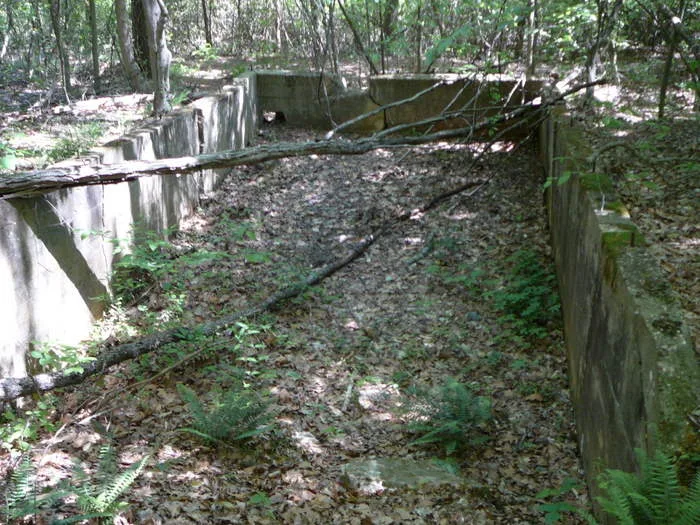
Pyrite, an ore used mainly to make sulfuric acid, was dug from this 88-acre site in what is now Prince William Forest Park between 1889 and 1920. The mine ran in two phases. The Cabin Branch Mining Company, owned by the Detrick and Bradley families, worked the eastern half until 1916, when the American Agricultural Chemical Corporation bought it, built new structures and sank at least one new shaft. Today the eastern side holds the concrete ruins of a commissary, a pony truss bridge, capped shafts and old tailings piles. The wooded western side holds foundations of the crusher house, mill, classifier house, concentrate bin, machine shop, engine room and boiler room, plus a reservoir and traces of rail routes now used as trails. Stone scatters probably mark housing for Black workers. The district was listed for its place in the region's mining industry and for what its remains can still reveal.
Machine-generated summary. This summary was generated by a language model from the official nomination document and has not been reviewed line by line by an editor. It may contain errors. Check the source document before relying on any detail. Source: nomination document (PDF) · catalog entry. Generated October 2026 (model claude-sonnet-5-5, prompt v1.0-2026-10-29).
| Period of significance | 1889-1920 |
|---|---|
| Styles | No style |
| Areas of significance | Industry, Historic - Aboriginal |
| Acreage | 68 |
| Boundary source | NPS cultural-resource GIS polygon |
| Full listing page | Cabin Branch Pyrite Mine Historic District (property record) |
What listing means for this property
This is a historic district. Buildings within its boundary are either contributing (they add to the district's significance) or non-contributing. Owners of contributing income-producing buildings can claim the 20% federal rehabilitation tax credit; homeowners should look at state credits. National Register districts impose no design review by themselves; a local historic district ordinance, if one exists, does (the difference explained).
General information, not legal or tax advice. Rules change; confirm with your State Historic Preservation Office or a qualified adviser.