Bremo Plantation

Why it's listed
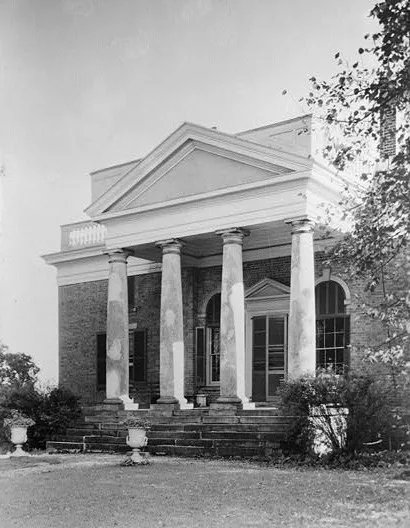
Bremo Plantation is a large estate of roughly 2,975 acres above the James River in Fluvanna County, Virginia. It includes nearly a dozen structures of architectural interest. The principal house, Upper Bremo, was completed in 1820 for General John Hartwell Cocke in the Palladian style associated with Thomas Jefferson, with a Tuscan portico, Chinese lattice railings and high-ceilinged principal rooms. Master carpenter John Neilson, who had worked at Monticello, gave the house its final form. Around 1844 Cocke rebuilt two smaller houses, Bremo Recess and Lower Bremo, in a Jacobean manner with curved gables and clustered chimneys. Farm buildings include a stone barn with a Tuscan portico, a milk house, a stable, rare pise slave quarters, a slave chapel and a relocated Temperance monument. Cocke was a planter, soldier and reformer active in agriculture, colonization, temperance and education. The property was listed because the whole group reflects his taste and Jefferson's influence.
Machine-generated summary. This summary was generated by a language model from the official nomination document and has not been reviewed line by line by an editor. It may contain errors. Check the source document before relying on any detail. Source: nomination document (PDF) · catalog entry. Generated October 2026 (model claude-sonnet-5-5, prompt v1.0-2026-10-29).
| Styles | Palladian (Upper Bremo); Jacobean (Bremo Recess and Lower Bremo) |
|---|---|
| Areas of significance | Architecture, Agriculture |
| Acreage | 1500 |
| Boundary source | NPS cultural-resource GIS polygon |
| Full listing page | Bremo Plantation (property record) |
What listing means for this property
This is a historic district. Buildings within its boundary are either contributing (they add to the district's significance) or non-contributing. Owners of contributing income-producing buildings can claim the 20% federal rehabilitation tax credit; homeowners should look at state credits. National Register districts impose no design review by themselves; a local historic district ordinance, if one exists, does (the difference explained).
General information, not legal or tax advice. Rules change; confirm with your State Historic Preservation Office or a qualified adviser.