Arlington Village Historic District

Why it's listed
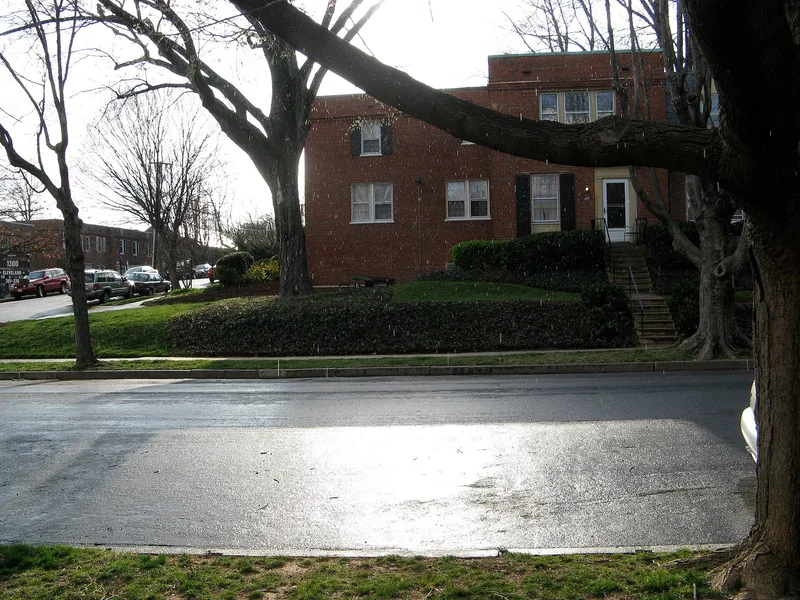
Arlington Village is a planned garden apartment community built in 1939 on about fifty-three acres along Columbia Pike in Arlington County, Virginia. Developer Gustave Ring and architect Harvey Warwick laid out 656 apartment units in rowhouse-style brick buildings with Colonial Revival details, organized into five superblocks around courtyards, green space and parks. Four standard building designs with flat, gable or gambrel roofs were repeated throughout, which kept construction costs down and rents affordable for middle-class workers. A six-store shopping center on Columbia Pike repeats the Colonial Revival styling. A swimming pool, pool house and two tennis courts were added in 1971. The village was Ring's second large rental project in the county, following Colonial Village, and applied the Garden City ideals of working with the land's contours. It is significant as an example of 1930s apartment development driven by growth in federal employment. Exteriors and floor plans remain largely as designed.
Machine-generated summary. This summary was generated by a language model from the official nomination document and has not been reviewed line by line by an editor. It may contain errors. Check the source document before relying on any detail. Source: nomination document (PDF) · catalog entry. Generated October 2026 (model claude-sonnet-5-5, prompt v1.0-2026-10-29).
| Styles | Late 19th and 20th Century Revivals/Colonial Revival |
|---|---|
| Areas of significance | Community Planning and Development |
| Acreage | 53 |
| Boundary source | NPS cultural-resource GIS polygon |
| Full listing page | Arlington Village Historic District (property record) |
What listing means for this property
This is a historic district. Buildings within its boundary are either contributing (they add to the district's significance) or non-contributing. Owners of contributing income-producing buildings can claim the 20% federal rehabilitation tax credit; homeowners should look at state credits. National Register districts impose no design review by themselves; a local historic district ordinance, if one exists, does (the difference explained).
General information, not legal or tax advice. Rules change; confirm with your State Historic Preservation Office or a qualified adviser.