Aberdeen Gardens

Why it's listed
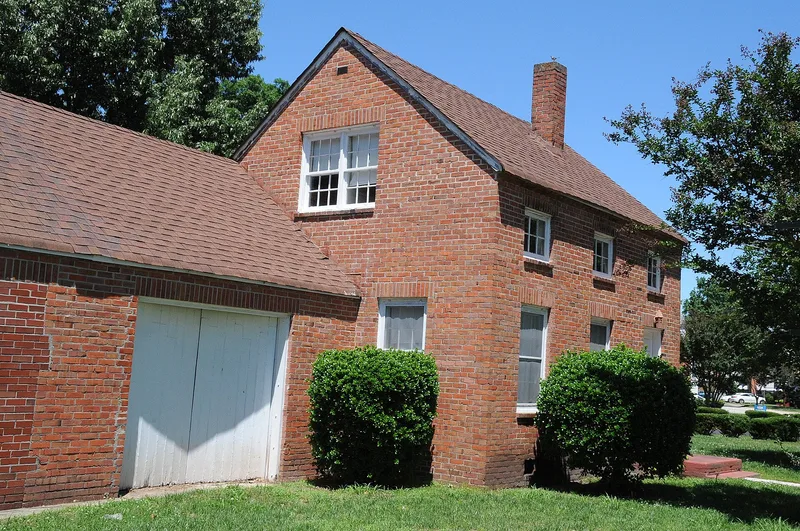
Aberdeen Gardens is a planned residential community in Hampton, Virginia, begun in 1934 and largely finished by 1937 as a federal resettlement project for African-American workers living in substandard housing around Newport News and Hampton. Hilyard R. Robinson, a Howard University architect and planner, laid it out with 158 Colonial Revival houses on large lots of roughly 75 by 220 to 290 feet, wide grassy medians, and large interior blocks used for gardens, chicken coops and small livestock. A greenbelt of farmland and woods surrounded the settlement. Plans also called for a school, community center and church; the school and a small commercial building were built. The project drew on Garden City and superblock planning ideas. It is noted as the first New Deal homestead community for black residents and as one designed by a black architect and built by black workers. Most of the original street plan survives, and the district holds 157 contributing and 67 noncontributing buildings.
Machine-generated summary. This summary was generated by a language model from the official nomination document and has not been reviewed line by line by an editor. It may contain errors. Check the source document before relying on any detail. Source: nomination document (PDF) · catalog entry. Generated October 2026 (model claude-sonnet-5-5, prompt v1.0-2026-10-29).
| Period of significance | C. 1934-1946 |
|---|---|
| Styles | Queen Anne (vernacular); Colonial Revival |
| Areas of significance | Architecture, Community Planning and Development, Black, Politics/Government, Social History |
| Acreage | 110 |
| Boundary source | NPS cultural-resource GIS polygon |
| Full listing page | Aberdeen Gardens (property record) |
What listing means for this property
This is a historic district. Buildings within its boundary are either contributing (they add to the district's significance) or non-contributing. Owners of contributing income-producing buildings can claim the 20% federal rehabilitation tax credit; homeowners should look at state credits. National Register districts impose no design review by themselves; a local historic district ordinance, if one exists, does (the difference explained).
General information, not legal or tax advice. Rules change; confirm with your State Historic Preservation Office or a qualified adviser.