San Antonio City Cemeteries Historic District, Old

Why it's listed
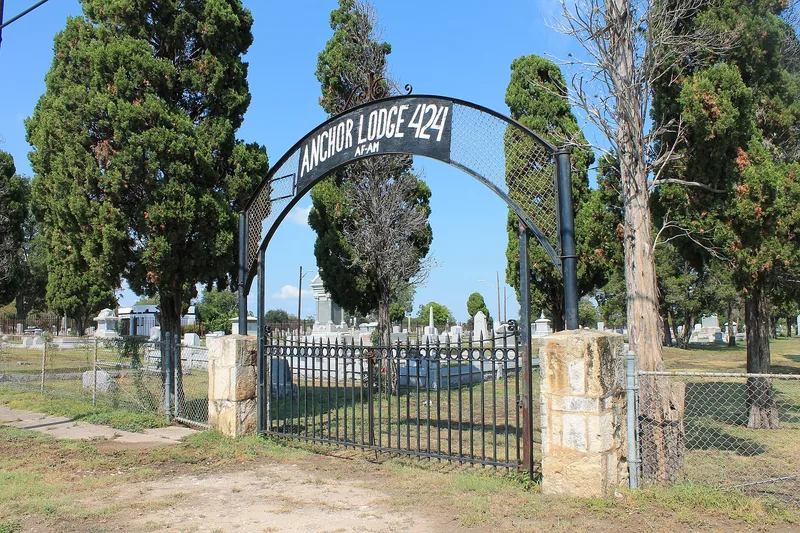
Thirty-one adjoining cemeteries spread across 103 acres about 1.5 miles east of San Antonio's City Hall, on land the King of Spain deeded to the city in 1733. Founded between 1853 and 1904, they were begun by the city, churches and synagogues, religious and fraternal orders, families, the federal government and the United Confederate Veterans. East Commerce Street divides them into northern and southern sectors. Most graves lie in north-south rows with markers facing east, following a southern folk tradition. Small granite, marble and limestone markers predominate, with occasional mausoleums, statuary, walls and gateposts, including work by sculptors Pompeo Coppini and Frank Teich. Roughly 70 percent of burials date before 1949. The grounds are significant as a record of the people who shaped San Antonio, including German immigrants, Jewish congregations, Confederate veterans, African American residents and fraternal groups. Vandalism, theft and neglect have damaged many plots, but the district keeps enough integrity to convey its history.
Machine-generated summary. This summary was generated by a language model from the official nomination document and has not been reviewed line by line by an editor. It may contain errors. Check the source document before relying on any detail. Source: nomination document (PDF) · catalog entry. Generated October 2026 (model claude-sonnet-5-5, prompt v1.0-2026-10-29).
| Period of significance | 1853-1949 |
|---|---|
| Styles | No style |
| Areas of significance | Community Planning and Development, Art |
| Acreage | 103 |
| Boundary source | NPS cultural-resource GIS polygon |
| Full listing page | San Antonio City Cemeteries Historic District, Old (property record) |
What listing means for this property
This is a historic district. Buildings within its boundary are either contributing (they add to the district's significance) or non-contributing. Owners of contributing income-producing buildings can claim the 20% federal rehabilitation tax credit; homeowners should look at state credits. National Register districts impose no design review by themselves; a local historic district ordinance, if one exists, does (the difference explained).
General information, not legal or tax advice. Rules change; confirm with your State Historic Preservation Office or a qualified adviser.