Independence Heights Residential Historic District

Why it's listed
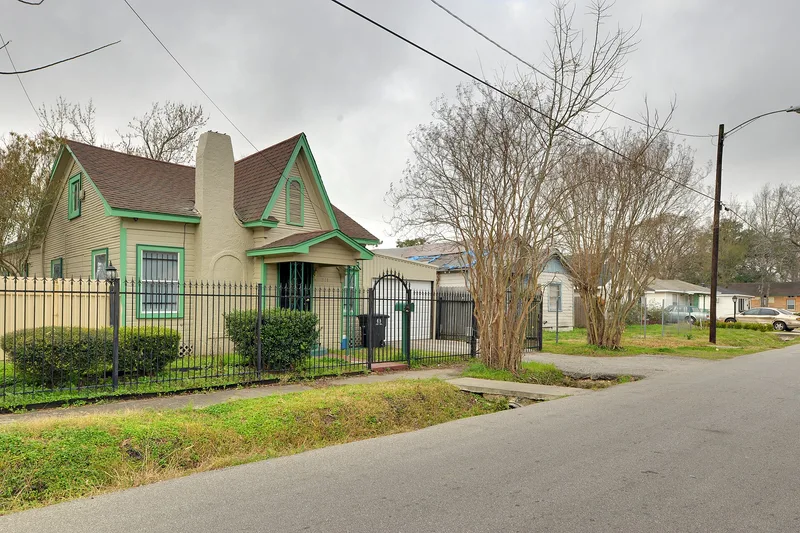
Covering roughly 70 acres in the southwest part of Independence Heights in Houston, this district is made up mostly of small, one-story wood-frame houses set on narrow streets with irregular setbacks. Shotguns, L-plan, pyramidal-roof and center-passage houses appear, but simple gable-front and side-gable bungalows are the most common type. Most were built between about 1908 and the 1920s. The land was part of a 329-acre subdivision platted in 1910 by the Wright Land Company, which marketed lots to African Americans who could not get conventional bank loans and financed sales at reduced interest. The large number of bungalows sets the area apart from the contemporary Third, Fourth and Fifth Wards of Houston and reflects a middle-class community. Early residents included two of the town's mayors, Arthur McCullough and O.L. Hubbard. Of 234 resources, 125 contribute to the district's character. It was listed as the most intact collection of early houses from the original subdivision.
Machine-generated summary. This summary was generated by a language model from the official nomination document and has not been reviewed line by line by an editor. It may contain errors. Check the source document before relying on any detail. Source: nomination document (PDF) · catalog entry. Generated October 2026 (model claude-sonnet-5-5, prompt v1.0-2026-10-29).
| Period of significance | 1908-1947 |
|---|---|
| Styles | Late 19th and Early 20th Century American Movements: Bungalow/Craftsman |
| Areas of significance | Architecture, Community Planning and Development, Black |
| Acreage | 70 |
| Boundary source | NPS cultural-resource GIS polygon |
| Full listing page | Independence Heights Residential Historic District (property record) |
What listing means for this property
This is a historic district. Buildings within its boundary are either contributing (they add to the district's significance) or non-contributing. Owners of contributing income-producing buildings can claim the 20% federal rehabilitation tax credit; homeowners should look at state credits. National Register districts impose no design review by themselves; a local historic district ordinance, if one exists, does (the difference explained).
General information, not legal or tax advice. Rules change; confirm with your State Historic Preservation Office or a qualified adviser.