Burton Commercial Historic District

Why it's listed
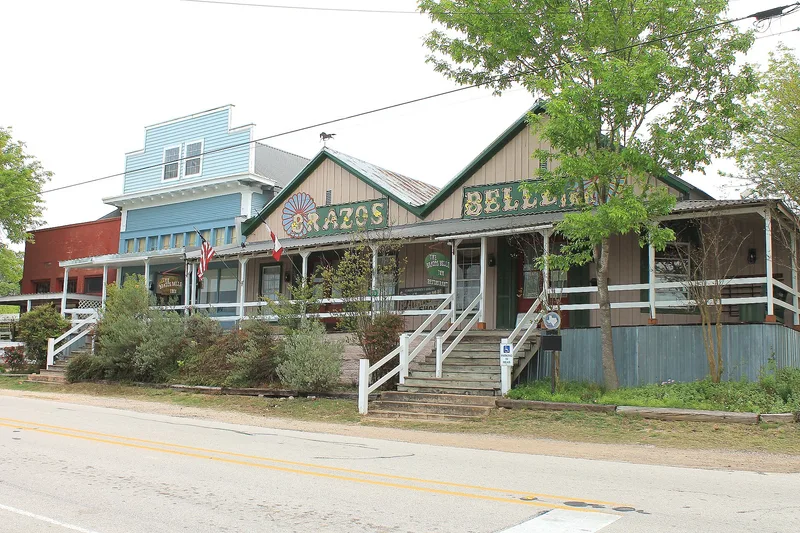
Burton's commercial core in western Washington County, Texas, is a district of about 47 buildings spread over seven blocks of the town center. Most are small, simple frame structures, including false-front stores, garages and service stations, a lumberyard, shops, a railroad depot and a stretch of railroad right-of-way. Some are masonry or two stories, and a few residences are scattered among them. The district reflects Burton's role between 1870 and 1941 as a place where farmers from surrounding land came to trade, process cotton, ship goods by rail and use the services of artisans and professionals. Buildings such as the Knittel Store, the Steiner & Dallmeyer store with its annex, the Schwartz & Schwartz Store, the Burton Auto Company and the old state bank show how uses changed over time. Many buildings are now vacant, and some have been altered with synthetic siding or changed storefronts. The district was recognized for its architecture and for its link to the town's commerce and development.
Machine-generated summary. This summary was generated by a language model from the official nomination document and has not been reviewed line by line by an editor. It may contain errors. Check the source document before relying on any detail. Source: nomination document (PDF) · catalog entry. Generated October 2026 (model claude-sonnet-5-5, prompt v1.0-2026-10-29).
| Period of significance | 1870-1941 |
|---|---|
| Styles | Other: One-part commercial block (vernacular) |
| Areas of significance | Commerce, Architecture |
| Acreage | 12 |
| Boundary source | NPS cultural-resource GIS polygon |
| Full listing page | Burton Commercial Historic District (property record) |
What listing means for this property
This is a historic district. Buildings within its boundary are either contributing (they add to the district's significance) or non-contributing. Owners of contributing income-producing buildings can claim the 20% federal rehabilitation tax credit; homeowners should look at state credits. National Register districts impose no design review by themselves; a local historic district ordinance, if one exists, does (the difference explained).
General information, not legal or tax advice. Rules change; confirm with your State Historic Preservation Office or a qualified adviser.