Woodward Hill Cemetery

Why it's listed
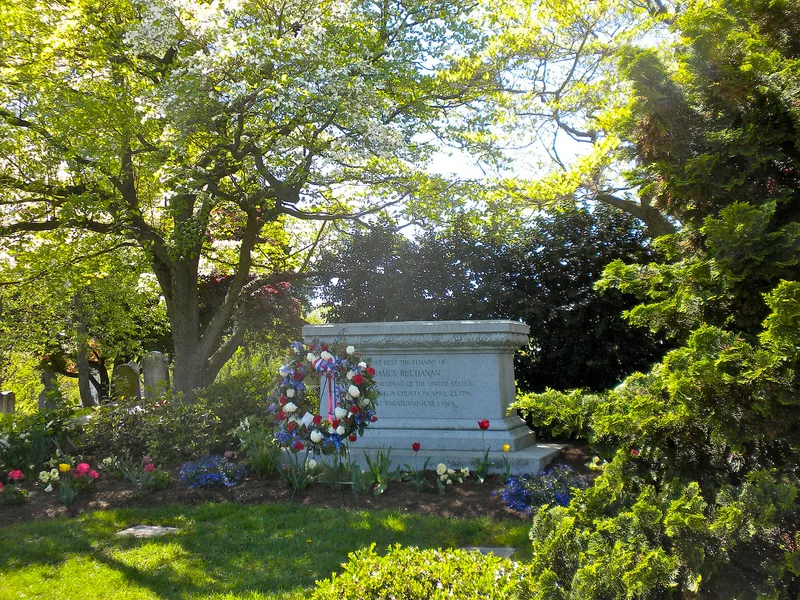
Laid out in 1850 on a hilly site above the Conestoga River south of Lancaster, Woodward Hill Cemetery was founded by the Evangelical Lutheran Church of the Holy Trinity as one of the city's new burial grounds on the outskirts. Its thirty-two acres hold several thousand grave markers, dating from the late eighteenth century onward, that show nearly every major style of funerary art of their era. The gently curving drives and paths of the original 1850 section follow the land's undulating topography, while later additions were platted in a grid. The grounds also include a Gothic Revival chapel dating from 1851, a Victorian caretaker's house and several mausoleums, most built around the turn of the twentieth century. The cemetery is valued for its mid-nineteenth-century landscape design and its funerary art, and for the graves of figures such as President James Buchanan, Revolutionary War patriot Frederick A. C. Muhlenberg and painter Jacob Eichholtz.
Machine-generated summary. This summary was generated by a language model from the official nomination document and has not been reviewed line by line by an editor. It may contain errors. Check the source document before relying on any detail. Source: nomination document (PDF) · catalog entry. Generated October 2026 (model claude-haiku-5-5, prompt v1.1-2026-10-29).
| Period of significance | 1850-1951 |
|---|---|
| Styles | Gothic Revival; Victorian |
| Areas of significance | Landscape Architecture, Art |
| Acreage | 0.9 |
| Boundary source | NPS cultural-resource GIS polygon |
| Full listing page | Woodward Hill Cemetery (property record) |
What listing means for this property
This is a historic district. Buildings within its boundary are either contributing (they add to the district's significance) or non-contributing. Owners of contributing income-producing buildings can claim the 20% federal rehabilitation tax credit; homeowners should look at state credits. National Register districts impose no design review by themselves; a local historic district ordinance, if one exists, does (the difference explained).
General information, not legal or tax advice. Rules change; confirm with your State Historic Preservation Office or a qualified adviser.