Westmont Historic District

Why it's listed
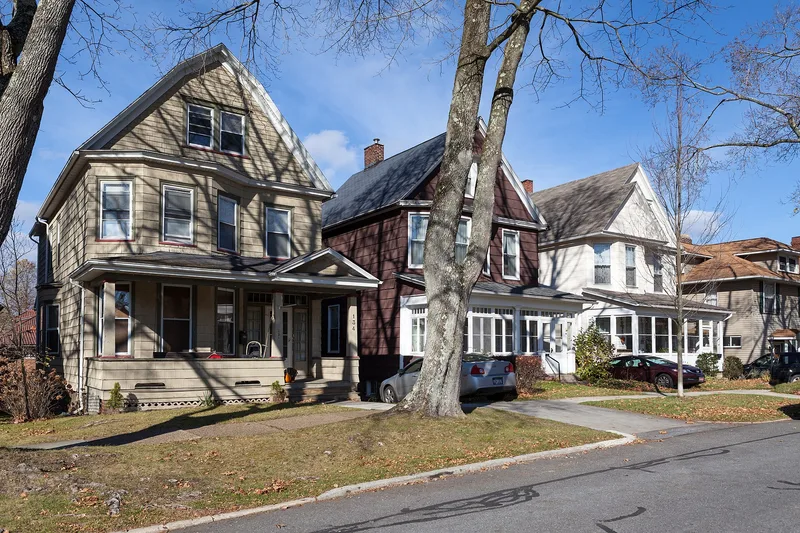
Old Westmont is a residential district on a hilltop plateau above Johnstown, laid out from 1889 by the Cambria Iron Company as a model suburb for its workers and managers. The company bought more than 500 acres on Yoder Hill, built the Inclined Plane for access from downtown, and had Philadelphia landscape architects Miller and Yates design a gridded street plan with a tree-lined boulevard on Luzerne Street. Its housing ranges from large houses for executives along Luzerne, Tioga and Bucknell streets to modest single and double houses elsewhere, with a clear division between white-collar and blue-collar sections. The district is valued for its concentration of late nineteenth and early twentieth century residences, a wide variety of styles, and a high degree of surviving architectural integrity. Architects Walter Myton and Henry Moore Rogers designed a number of its homes.
Machine-generated summary. This summary was generated by a language model from the official nomination document and has not been reviewed line by line by an editor. It may contain errors. Check the source document before relying on any detail. Source: nomination document (PDF) · catalog entry. Generated October 2026 (model claude-haiku-5-5, prompt v1.1-2026-10-29).
| Period of significance | 1889-1944 |
|---|---|
| Styles | Colonial Revival; Bungalow/Craftsman; Prairie School; Queen Anne; Arts and Crafts; Second Empire; Shingle; Eastlake; Spanish Villa; Tudor Revival; International |
| Areas of significance | Community Planning and Development, Architecture, Industry |
| Acreage | 86 |
| Boundary source | NPS cultural-resource GIS polygon |
| Full listing page | Westmont Historic District (property record) |
What listing means for this property
This is a historic district. Buildings within its boundary are either contributing (they add to the district's significance) or non-contributing. Owners of contributing income-producing buildings can claim the 20% federal rehabilitation tax credit; homeowners should look at state credits. National Register districts impose no design review by themselves; a local historic district ordinance, if one exists, does (the difference explained).
General information, not legal or tax advice. Rules change; confirm with your State Historic Preservation Office or a qualified adviser.