Pinchot, Gifford, House

Why it's listed
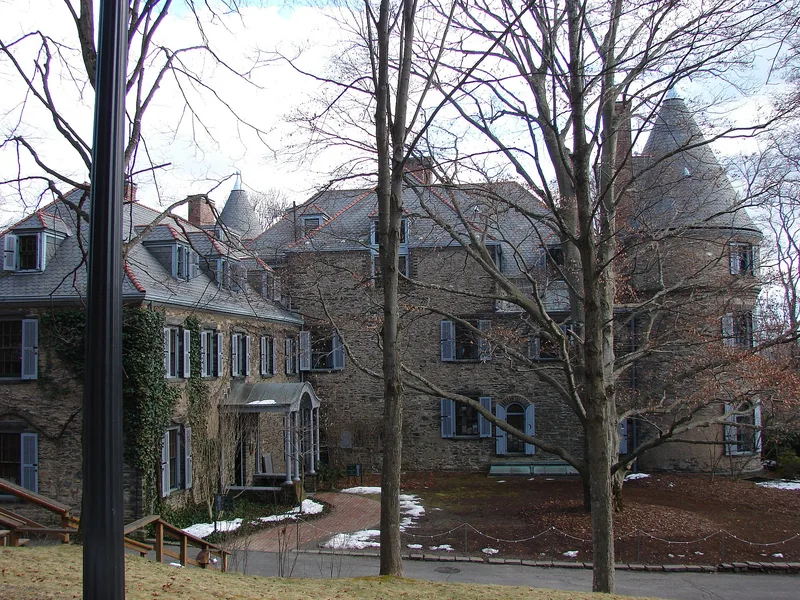
Grey Towers is a fieldstone chateau-style mansion on the edge of Milford in Pike County, Pennsylvania, begun in 1884 as the summer home of James Pinchot and completed in 1886. Richard Morris Hunt designed it, and Henry Edwards-Ficken and James Pinchot supervised construction. After 1915 Gifford and Cornelia Pinchot remodeled the house and grounds, treating the gardens as outdoor rooms linked to the mansion. Gifford Pinchot, who created the U.S. Forest Service, used the estate to test forestry ideas, including white pine plantations. From 1900 to 1926 the Yale forestry school operated on part of the property, the first American school of its kind. Pinchot died at Grey Towers in 1946. The estate is listed for its association with the conservation movement, the early forestry school, and its designed landscape.
Machine-generated summary. This summary was generated by a language model from the official nomination document and has not been reviewed line by line by an editor. It may contain errors. Check the source document before relying on any detail. Source: nomination document (PDF) · catalog entry. Generated October 2026 (model claude-haiku-5-5, prompt v1.1-2026-10-29).
| Period of significance | 1884-1946 |
|---|---|
| Styles | Medieval French chateau |
| Areas of significance | Conservation |
| Acreage | 130 |
| Boundary source | NPS cultural-resource GIS polygon |
| Full listing page | Pinchot, Gifford, House (property record) |
What listing means for this property
This is a historic district. Buildings within its boundary are either contributing (they add to the district's significance) or non-contributing. Owners of contributing income-producing buildings can claim the 20% federal rehabilitation tax credit; homeowners should look at state credits. National Register districts impose no design review by themselves; a local historic district ordinance, if one exists, does (the difference explained).
General information, not legal or tax advice. Rules change; confirm with your State Historic Preservation Office or a qualified adviser.