Old Uptown Harrisburg Historic District
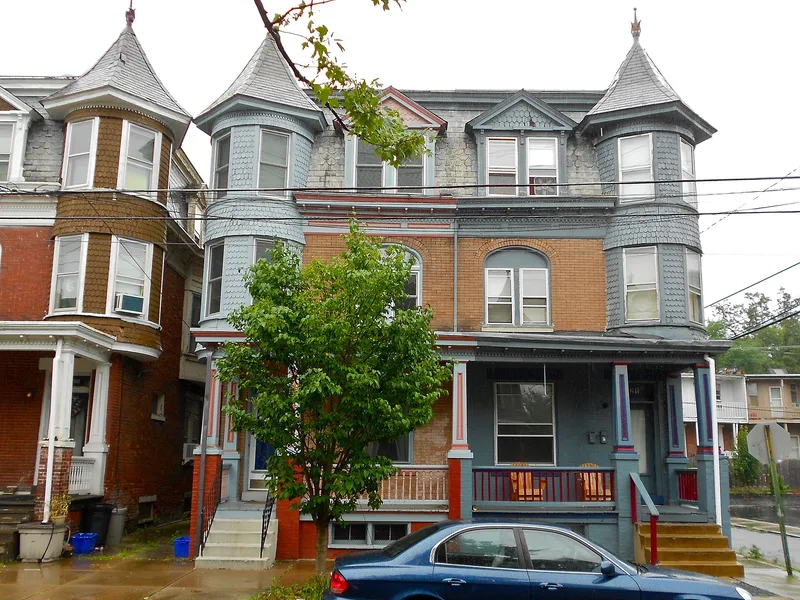

Why it's listed
Old Uptown is a residential district of duplex and row houses in north Harrisburg, lying on the low flood plain near the Susquehanna River. Most of its buildings were erected between 1895 and 1905, with contributing houses dating from 1885 to 1930. Benjamin Engle, a lumber dealer and real estate salesman, built most of the blocks between Second and Third Streets and Reily and Kelker Streets, using a common floor plan with varied facade treatments of turrets, bays, fish-scale shingles and stained glass. North of Kelker Street, Gettys and Girvin built rows of four to ten nearly identical Queen Anne houses in a simpler late style. The district was built for merchants, professionals and white-collar workers during the city's rapid population growth. Its consistent architecture and high degree of preservation are the main reasons for its recognition.
Machine-generated summary. This summary was generated by a language model from the official nomination document and has not been reviewed line by line by an editor. It may contain errors. Check the source document before relying on any detail. Source: nomination document (PDF) · catalog entry. Generated October 2026 (model claude-haiku-5-5, prompt v1.1-2026-10-29).
| Period of significance | 1885-1930 |
|---|---|
| Styles | Queen Anne, Italianate, Romanesque, Second Empire, Colonial Revival |
| Areas of significance | Architecture |
| Acreage | 63.1 |
| Boundary source | NPS cultural-resource GIS polygon |
| Full listing page | Old Uptown Harrisburg Historic District (property record) |
What listing means for this property
This is a historic district. Buildings within its boundary are either contributing (they add to the district's significance) or non-contributing. Owners of contributing income-producing buildings can claim the 20% federal rehabilitation tax credit; homeowners should look at state credits. National Register districts impose no design review by themselves; a local historic district ordinance, if one exists, does (the difference explained).
General information, not legal or tax advice. Rules change; confirm with your State Historic Preservation Office or a qualified adviser.