New Kensington Downtown Historic District

Why it's listed
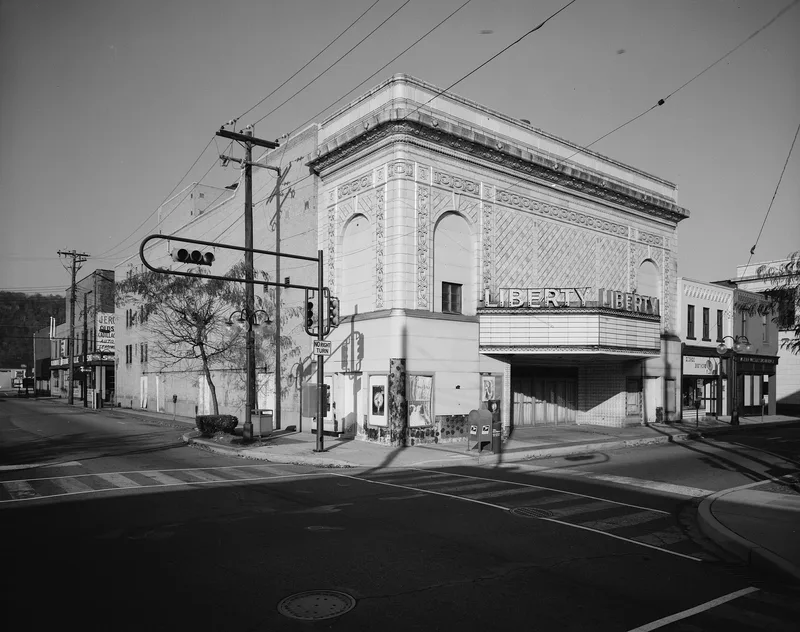
Downtown New Kensington is a grid of two- and three-story commercial blocks, residential streets and public buildings laid out when the city was platted in 1891. Its core runs along Fourth and Fifth Avenues between Eighth and Tenth Streets, where brick storefronts with bulkheads, display windows and decorative cornices line the sidewalks. Notable buildings include the Mellon Bank Building of 1900, the PNC Bank of 1914, and the Wear Ever Building of 1914-1915, designed by James Geisey in the Tudor Revival style for the cookware subsidiary of Alcoa. The district also holds the 1933 post office and three surviving theaters, among them the Ritz Theater of 1921-22. Its houses, mostly wood frame American Four Square and Colonial Revival types, were built largely between 1895 and 1920 for aluminum workers. The district is regarded as an example of a working class industrial community of the early twentieth century.
Machine-generated summary. This summary was generated by a language model from the official nomination document and has not been reviewed line by line by an editor. It may contain errors. Check the source document before relying on any detail. Source: nomination document (PDF) · catalog entry. Generated October 2026 (model claude-haiku-5-5, prompt v1.1-2026-10-29).
| Period of significance | 1891-1947 |
|---|---|
| Styles | Colonial Revival, Art Deco, Beaux Arts, Italianate, Egyptian Revival, Gothic Revival, Craftsman, and others |
| Areas of significance | Commerce, Industry, Architecture |
| Acreage | 19.7 |
| Boundary source | NPS cultural-resource GIS polygon |
| Full listing page | New Kensington Downtown Historic District (property record) |
What listing means for this property
This is a historic district. Buildings within its boundary are either contributing (they add to the district's significance) or non-contributing. Owners of contributing income-producing buildings can claim the 20% federal rehabilitation tax credit; homeowners should look at state credits. National Register districts impose no design review by themselves; a local historic district ordinance, if one exists, does (the difference explained).
General information, not legal or tax advice. Rules change; confirm with your State Historic Preservation Office or a qualified adviser.