Middle Pickering Rural Historic District

Why it's listed
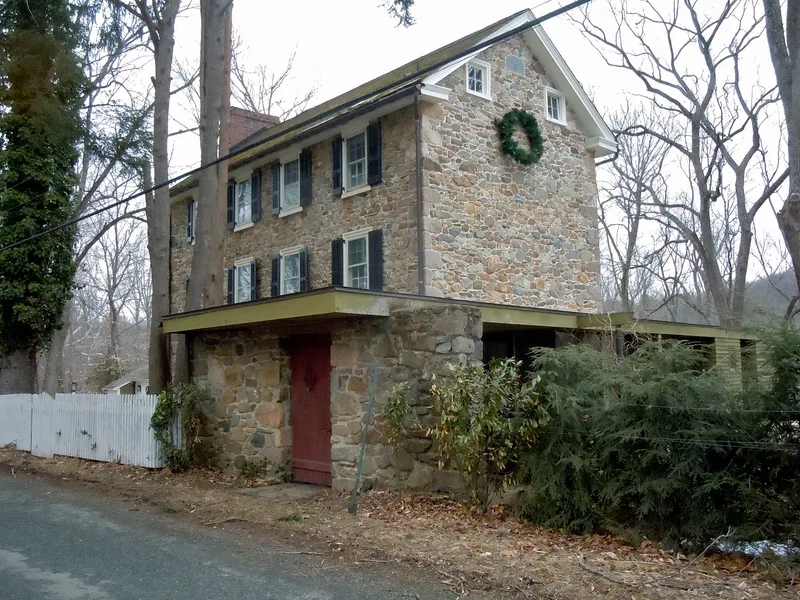
Rural farmsteads of fieldstone and brownstone, set along quiet roads in the hills of northern Chester County, make up this district of about 1,055 acres. Most of the farm houses are two and a half stories with gable roofs, and the stone barns often date from the early nineteenth century. Land here was first settled by Welsh farmers on tracts of 100 to 150 acres, and later German families joined them. Commercial activity was limited mostly to grist and saw mills, a distillery and a creamery, and at Merlin a mill site later used for a foundry, snuff mill and chair factory. The district is regarded as an unusually complete record of farm life from the eighteenth century through the mid-twentieth century. It also includes a few International Style houses designed by Oskar Stonorov, including his own home, which was built on an older farmhouse foundation. The area is listed for its agriculture, its architecture and its settlement history.
Machine-generated summary. This summary was generated by a language model from the official nomination document and has not been reviewed line by line by an editor. It may contain errors. Check the source document before relying on any detail. Source: nomination document (PDF) · catalog entry. Generated October 2026 (model claude-haiku-5-5, prompt v1.1-2026-10-29).
| Period of significance | 1750-1945 |
|---|---|
| Styles | Pennsylvania farmhouse; Second Empire; International Style |
| Areas of significance | Agriculture, Exploration/Settlement, Architecture |
| Acreage | 1055 |
| Boundary source | NPS cultural-resource GIS polygon |
| Full listing page | Middle Pickering Rural Historic District (property record) |
What listing means for this property
This is a historic district. Buildings within its boundary are either contributing (they add to the district's significance) or non-contributing. Owners of contributing income-producing buildings can claim the 20% federal rehabilitation tax credit; homeowners should look at state credits. National Register districts impose no design review by themselves; a local historic district ordinance, if one exists, does (the difference explained).
General information, not legal or tax advice. Rules change; confirm with your State Historic Preservation Office or a qualified adviser.