Knorr-Bare Farm

Why it's listed
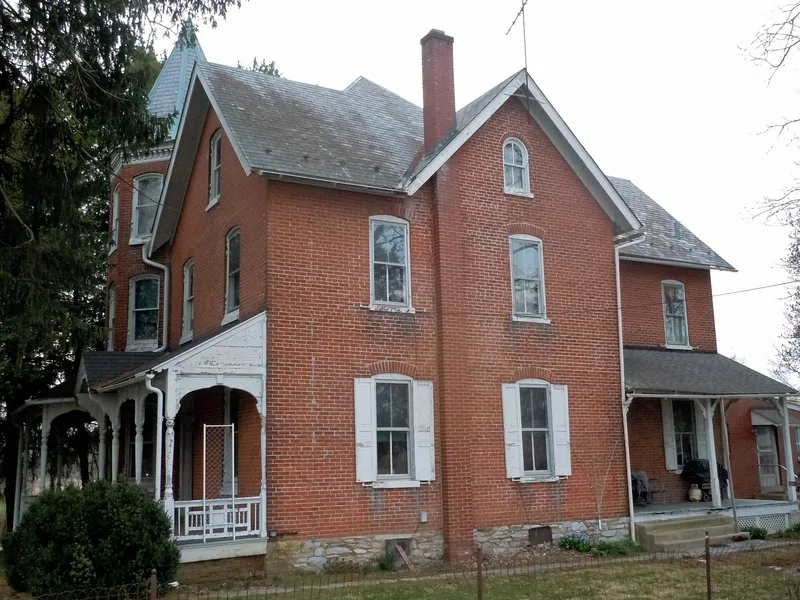
Set on Route 422 between Wernersville and Sinking Spring, the Knorr-Bare Farm is a working dairy farm whose buildings span the 1750s to the 1940s. The complex includes a brick farmhouse built in 1906 with Queen Anne elements and a three-story tripartite bay, an 1896 frame bank barn with brick stable walls and cupolas, and a stone settler's cabin dating from about 1755. Its outbuildings include a brick smokehouse, a storage arch, and several corn cribs and pig sties. The cabin contains a spring room divided from its living space by a stone wall, a feature the nomination reports was not documented elsewhere in Berks County at the time of the survey. The farm is regarded as one of the most complete farm complexes in the county, built over more than 200 years, and its historic boundaries and fencerows remain largely intact. Its layout and building forms are considered well-preserved examples of Berks County vernacular architecture, and the farm is recognized for its roots in the Pennsylvania German tradition.
Machine-generated summary. This summary was generated by a language model from the official nomination document and has not been reviewed line by line by an editor. It may contain errors. Check the source document before relying on any detail. Source: nomination document (PDF) · catalog entry. Generated October 2026 (model claude-haiku-5-5, prompt v1.1-2026-10-29).
| Period of significance | ca. 1755-1940 |
|---|---|
| Styles | Vernacular with Queen Anne style elements |
| Areas of significance | Agriculture, Architecture |
| Acreage | 192 |
| Boundary source | NPS cultural-resource GIS polygon |
| Full listing page | Knorr-Bare Farm (property record) |
What listing means for this property
This is a historic district. Buildings within its boundary are either contributing (they add to the district's significance) or non-contributing. Owners of contributing income-producing buildings can claim the 20% federal rehabilitation tax credit; homeowners should look at state credits. National Register districts impose no design review by themselves; a local historic district ordinance, if one exists, does (the difference explained).
General information, not legal or tax advice. Rules change; confirm with your State Historic Preservation Office or a qualified adviser.