Hunterstown Historic District

Why it's listed
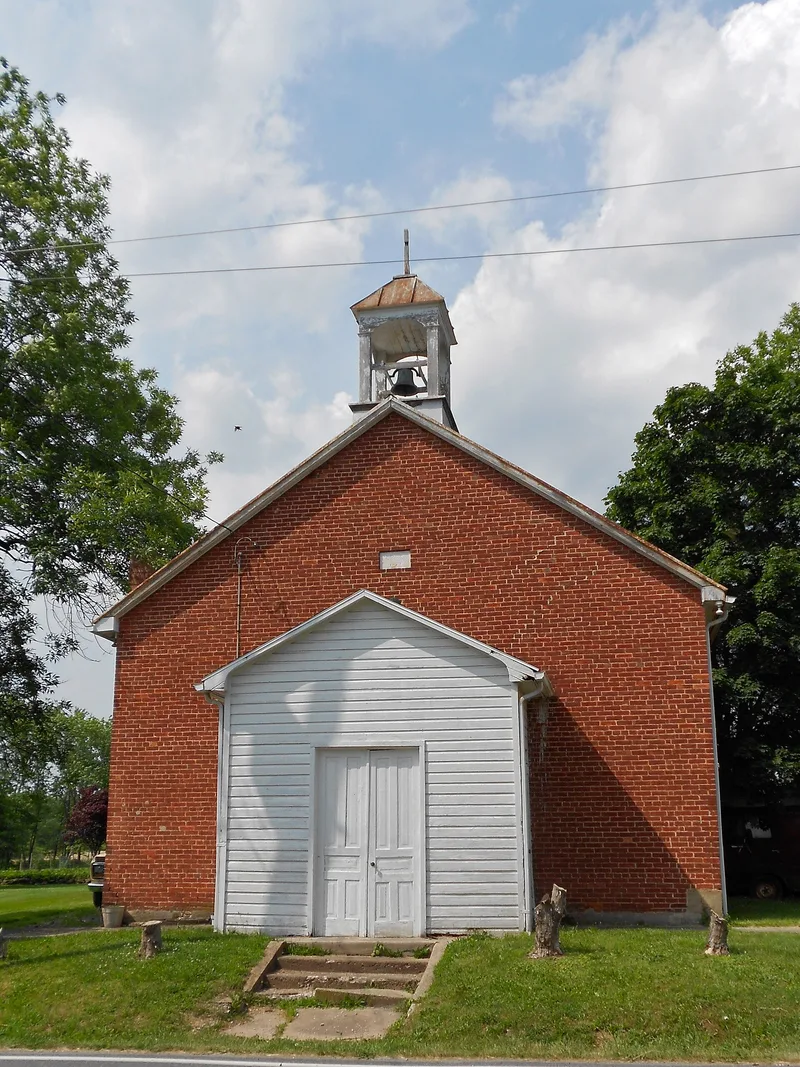
Hunterstown is a small village in Straban Township, Adams County, laid out by David Hunter in 1749 or 1750 under the name Woodstock and renamed in 1800. Of the 53 main structures in the district, 49 lie within the original town perimeters, and many are shown on 1858 and 1872 maps, although most have been altered by additions, siding and new roofing. The Great Conewago Presbyterian Church, a fieldstone building with a 1787 datestone, is the most prominent structure. The village grew into a self-sustaining community with two churches, an academy, two chair factories, three stores and a tavern-hotel before the Civil War. Its residents were involved in the 1863 campaign, and a skirmish took place in the town on July 2 as Confederate forces withdrew toward Gettysburg. The district is regarded as a fine example of an early post village that reached its height from the 1820s to the 1850s.
Machine-generated summary. This summary was generated by a language model from the official nomination document and has not been reviewed line by line by an editor. It may contain errors. Check the source document before relying on any detail. Source: nomination document (PDF) · catalog entry. Generated October 2026 (model claude-haiku-5-5, prompt v1.1-2026-10-29).
| Areas of significance | Military, Architecture |
|---|---|
| Acreage | 60 |
| Boundary source | NPS cultural-resource GIS polygon |
| Full listing page | Hunterstown Historic District (property record) |
What listing means for this property
This is a historic district. Buildings within its boundary are either contributing (they add to the district's significance) or non-contributing. Owners of contributing income-producing buildings can claim the 20% federal rehabilitation tax credit; homeowners should look at state credits. National Register districts impose no design review by themselves; a local historic district ordinance, if one exists, does (the difference explained).
General information, not legal or tax advice. Rules change; confirm with your State Historic Preservation Office or a qualified adviser.