Heinz, H.J., Company

Why it's listed
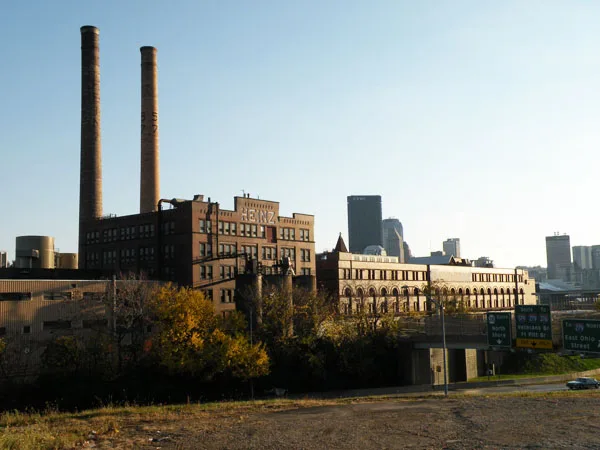
Nine contributing buildings from 1907 to 1937 form the historic core of the H.J. Heinz Company plant on the north bank of the Allegheny River in Pittsburgh. The earliest and most prominent is the five-story Administration Building of 1907, designed by Albert Kahn with a granite base, white terra cotta columns and a Beaux-arts north facade. The surrounding brick and stone buildings, including the Bean, Power, Shipping, Meat Products, Cereal, Reservoir and Service and Auditorium buildings, are in Romanesque Revival style and were linked by bridges over Heinz Street. The complex is regarded as significant for its role in the growth of the food company under founder H.J. Heinz, who died in 1919, and for its architecture. Modernization in the 1950s removed corner towers and parapet signs and replaced earlier factory buildings, but the early group retains its original scale and materials.
Machine-generated summary. This summary was generated by a language model from the official nomination document and has not been reviewed line by line by an editor. It may contain errors. Check the source document before relying on any detail. Source: nomination document (PDF). Generated October 2026 (model claude-haiku-5-5, prompt v1.1-2026-10-29).
| Period of significance | 1907-1952 |
|---|---|
| Styles | Romanesque Revival; Beaux-arts; Commercial; International |
| Areas of significance | Architecture, Industry |
| Acreage | 17 |
| Boundary source | NPS cultural-resource GIS polygon |
| Full listing page | Heinz, H.J., Company (property record) |
What listing means for this property
This is a historic district. Buildings within its boundary are either contributing (they add to the district's significance) or non-contributing. Owners of contributing income-producing buildings can claim the 20% federal rehabilitation tax credit; homeowners should look at state credits. National Register districts impose no design review by themselves; a local historic district ordinance, if one exists, does (the difference explained).
General information, not legal or tax advice. Rules change; confirm with your State Historic Preservation Office or a qualified adviser.