Coulsontown Cottages Historic District

Why it's listed
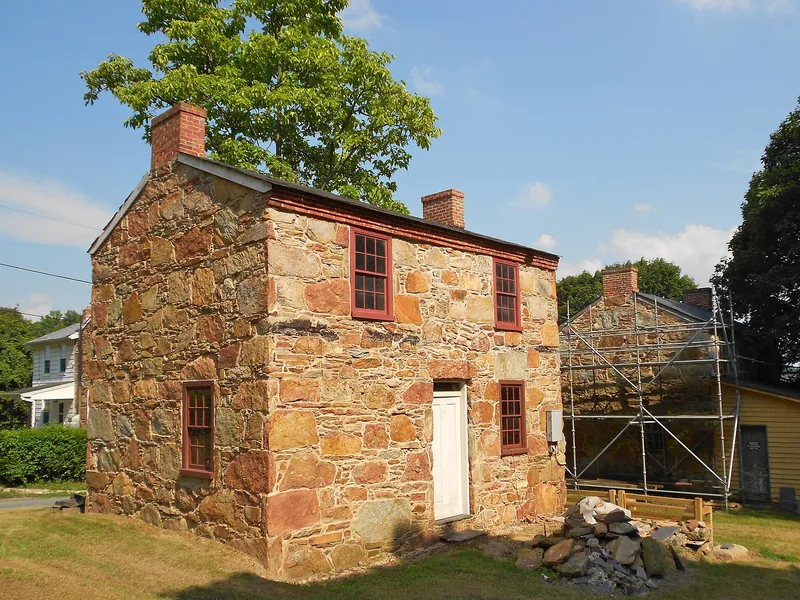
Four stone cottages on a slate ridge about three quarters of a mile east of Delta, York County, were built between 1845 and 1865 for Welsh slate workers. Each is two stories with a rectangular plan, gable roof, and end chimneys. Their walls are rough, unfinished blocks laid in random courses, with the gaps filled by rubble, and the cottages nearly duplicate quarrymen's houses from Snowdonia in northwest Wales. The first cottage, on parcel six, is regarded as the prototype; the later three use brick chimneys and slightly more elaborate woodwork. The district is significant for its link to the Peach Bottom slate industry, which expanded in the 1840s when Welsh slaters settled the area. Quarrying in the region drew wide notice, including a prize at London's Crystal Palace Exposition in 1850. The cottages are the county's only architectural record of this Welsh community and of the lower-paid pit workers who lived in such housing.
Machine-generated summary. This summary was generated by a language model from the official nomination document and has not been reviewed line by line by an editor. It may contain errors. Check the source document before relying on any detail. Source: nomination document (PDF) · catalog entry. Generated October 2026 (model claude-haiku-5-5, prompt v1.1-2026-10-29).
| Period of significance | 1845-1865 |
|---|---|
| Areas of significance | Industry, Architecture |
| Acreage | 2.1 |
| Boundary source | NPS cultural-resource GIS polygon |
| Full listing page | Coulsontown Cottages Historic District (property record) |
What listing means for this property
This is a historic district. Buildings within its boundary are either contributing (they add to the district's significance) or non-contributing. Owners of contributing income-producing buildings can claim the 20% federal rehabilitation tax credit; homeowners should look at state credits. National Register districts impose no design review by themselves; a local historic district ordinance, if one exists, does (the difference explained).
General information, not legal or tax advice. Rules change; confirm with your State Historic Preservation Office or a qualified adviser.