College Hill Residential Historic District
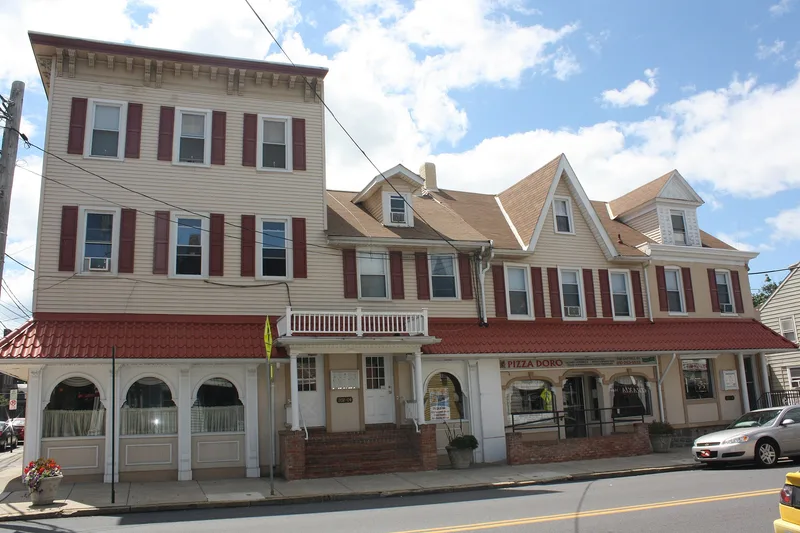

Why it's listed
Built mainly between the 1830s and 1940 on a sloping plateau at the base of Chestnut Ridge, College Hill is a residential district of about several hundred houses spanning Italianate, Queen Anne, Colonial Revival, Tudor Revival and Foursquare forms. Its growth followed the 1888 electric trolley line, the first in the United States to climb steep 15 percent grades, which opened the hill to suburban development. Industrialists and merchants, including Arnold Gerstell of the Alpha Portland Cement Company, Howard Rinek of the Rinek Rope Company and William R. Haytock of the silk-mill firm Haytock-Gronemeyer, built large residences here. Architect William Michler designed thirty-nine houses on the hill between 1898 and 1934. The Speer Lumber Company built up to 200 pattern-catalog houses for working-class families. The district is regarded as the largest collection of its kind in the Lehigh Valley.
Machine-generated summary. This summary was generated by a language model from the official nomination document and has not been reviewed line by line by an editor. It may contain errors. Check the source document before relying on any detail. Source: nomination document (PDF) · catalog entry. Generated October 2026 (model claude-haiku-5-5, prompt v1.1-2026-10-29).
| Period of significance | 1830-1940 |
|---|---|
| Styles | Queen Anne; Colonial Revival; Classical Revival; Italianate; Federal; Gothic Revival; Second Empire; Stick Style; Romanesque; Shingle Style; Tudor Revival; Dutch Colonial Revival; Georgian Revival; French Eclectic; Bungalow/Craftsman; Prairie |
| Areas of significance | Industry, Community Planning and Development, Architecture |
| Acreage | 366 |
| Boundary source | NPS cultural-resource GIS polygon |
| Full listing page | College Hill Residential Historic District (property record) |
What listing means for this property
This is a historic district. Buildings within its boundary are either contributing (they add to the district's significance) or non-contributing. Owners of contributing income-producing buildings can claim the 20% federal rehabilitation tax credit; homeowners should look at state credits. National Register districts impose no design review by themselves; a local historic district ordinance, if one exists, does (the difference explained).
General information, not legal or tax advice. Rules change; confirm with your State Historic Preservation Office or a qualified adviser.