Cold Point Historic District

Why it's listed
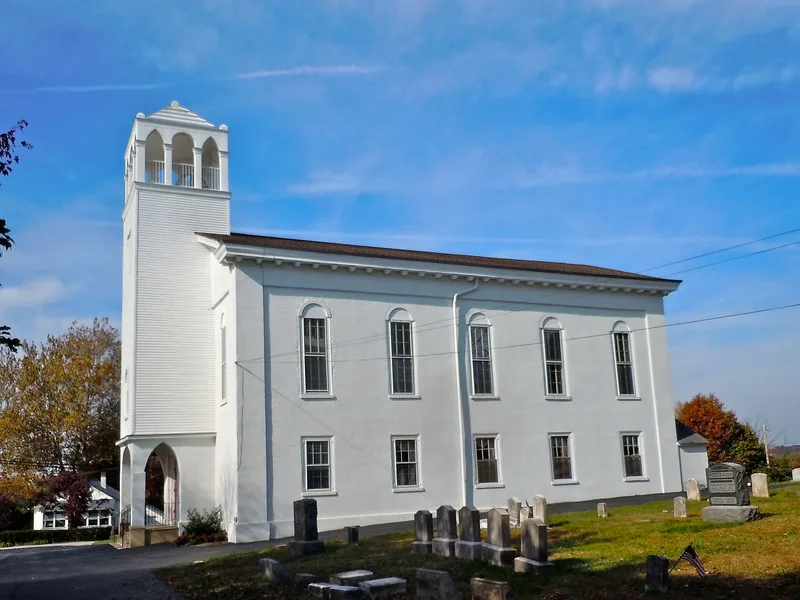
Cold Point is a rural village and farming district in Plymouth and Whitemarsh Townships, Montgomery County, Pennsylvania, lying east of the Plymouth Meeting area along Butler Pike. Its houses are mainly two-and-a-half-story rubble stone dwellings, stuccoed, with gabled roofs, many built between about 1745 and 1878. Limestone deposits supported lime burning from the early 1700s, and by the 1840s the Corson family had built a lime business that became one of the oldest continuously operated lime companies in the country. The village also holds the Cold Point Baptist Church, its burial ground on Cold Point Hill, and the Cold Point School, built in 1817 on land given by Thomas Egbert. Free black landowners lived in the village, and the district is important for its surviving 19th-century fabric and rural character. On May 20, 1778, a British force under General Grant marched past Cold Point Hill during the Revolutionary War.
Machine-generated summary. This summary was generated by a language model from the official nomination document and has not been reviewed line by line by an editor. It may contain errors. Check the source document before relying on any detail. Source: nomination document (PDF) · catalog entry. Generated October 2026 (model claude-haiku-5-5, prompt v1.1-2026-10-29).
| Areas of significance | Industry, Architecture, Agriculture |
|---|---|
| Acreage | 157 |
| Boundary source | NPS cultural-resource GIS polygon |
| Full listing page | Cold Point Historic District (property record) |
What listing means for this property
This is a historic district. Buildings within its boundary are either contributing (they add to the district's significance) or non-contributing. Owners of contributing income-producing buildings can claim the 20% federal rehabilitation tax credit; homeowners should look at state credits. National Register districts impose no design review by themselves; a local historic district ordinance, if one exists, does (the difference explained).
General information, not legal or tax advice. Rules change; confirm with your State Historic Preservation Office or a qualified adviser.