Chickies Historic District

Why it's listed
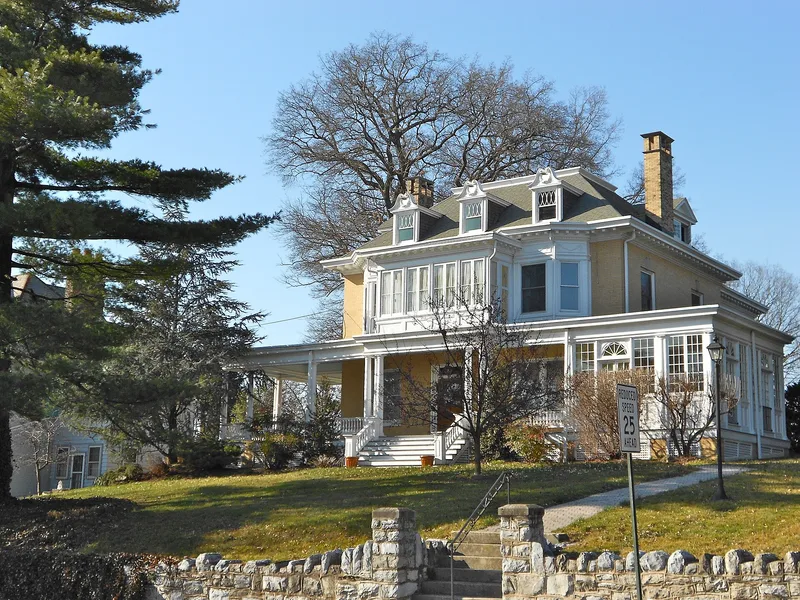
Along the Susquehanna River on the southeast side of Marietta, Lancaster County, the Chickies Historic District preserves the remains of seven nineteenth-century anthracite hot-blast iron furnaces, built of stone and brick and now archaeological sites, many within Chickies Rock County Park. Built between 1845 and the 1870s by local entrepreneurs, including members of the Haldeman, Musselman, Myers and Cottrell families, the furnaces formed part of an industry that made Pennsylvania a leading iron producer. The district also includes five brick and stone ironmasters' houses on the slope called Ironmasters' Hill, dating from about 1848 to 1876, along with an 1837 stone gristmill, a tollhouse, and a rock shelter where Native American artifacts were excavated in 1870. Farmsteads with Pennsylvania bank barns and iron ore pits and lime quarries in the Donegal Creek valley complete the district. Its significance rests on its industrial remains and the information they can still yield.
Machine-generated summary. This summary was generated by a language model from the official nomination document and has not been reviewed line by line by an editor. It may contain errors. Check the source document before relying on any detail. Source: nomination document (PDF) · catalog entry. Generated October 2026 (model claude-haiku-5-5, prompt v1.1-2026-10-29).
| Period of significance | c. 1768 - 1930 |
|---|---|
| Styles | Victorian |
| Areas of significance | Industry, Architecture, Historic - Non-Aboriginal |
| Acreage | 589 |
| Boundary source | NPS cultural-resource GIS polygon |
| Full listing page | Chickies Historic District (property record) |
What listing means for this property
This is a historic district. Buildings within its boundary are either contributing (they add to the district's significance) or non-contributing. Owners of contributing income-producing buildings can claim the 20% federal rehabilitation tax credit; homeowners should look at state credits. National Register districts impose no design review by themselves; a local historic district ordinance, if one exists, does (the difference explained).
General information, not legal or tax advice. Rules change; confirm with your State Historic Preservation Office or a qualified adviser.