Chester Heights Camp Meeting Historic District

Why it's listed
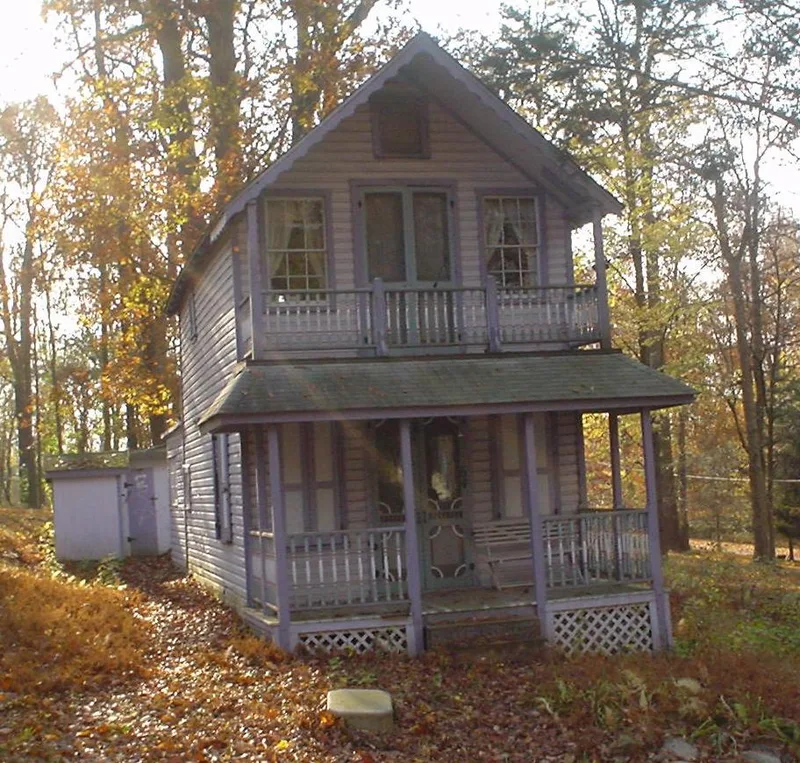
Chester Heights is a Methodist camp meeting in Chester Heights Borough, Delaware County, Pennsylvania, roughly 21 miles west of Philadelphia. Founded in 1872 by a Philadelphia Methodist association, it was laid out as a summer retreat for middle-class families seeking a wooded setting away from city crowding. Its centre is an open commons called the Circle, with a two-story Tabernacle built in 1878 at the north end. Around it stand about 71 cottages, many built on former tent platforms, set along narrow grid streets within a circular road. The Youth Tabernacle dates from 1909 and the Dining Hall from 1900. Railway excursions from Philadelphia brought thousands of visitors in the early years, and the camp is regarded as one of the most intact examples of its type in Pennsylvania. The district is listed for its association with the Methodist camp meeting movement and for its highly intact architecture and planned layout.
Machine-generated summary. This summary was generated by a language model from the official nomination document and has not been reviewed line by line by an editor. It may contain errors. Check the source document before relying on any detail. Source: nomination document (PDF) · catalog entry. Generated October 2026 (model claude-haiku-5-5, prompt v1.1-2026-10-29).
| Period of significance | 1872-1950 |
|---|---|
| Styles | Gothic Revival; Queen Anne |
| Areas of significance | Religion, Architecture |
| Acreage | 30.9 |
| Boundary source | NPS cultural-resource GIS polygon |
| Full listing page | Chester Heights Camp Meeting Historic District (property record) |
What listing means for this property
This is a historic district. Buildings within its boundary are either contributing (they add to the district's significance) or non-contributing. Owners of contributing income-producing buildings can claim the 20% federal rehabilitation tax credit; homeowners should look at state credits. National Register districts impose no design review by themselves; a local historic district ordinance, if one exists, does (the difference explained).
General information, not legal or tax advice. Rules change; confirm with your State Historic Preservation Office or a qualified adviser.