Brier Hill

Why it's listed
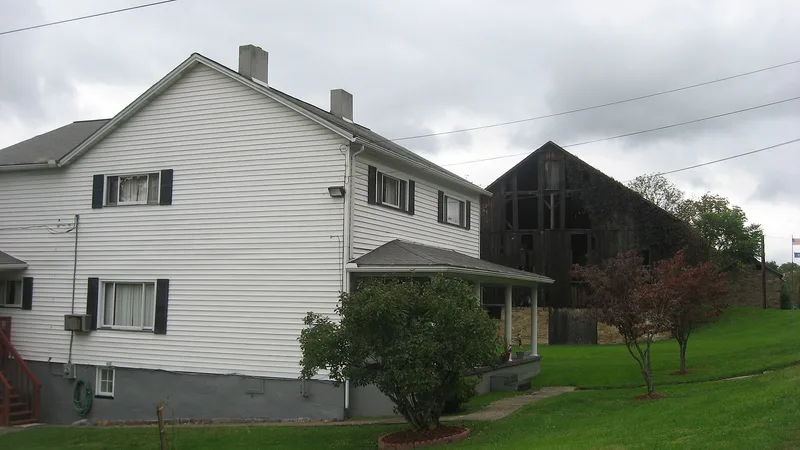
Brier Hill is a coal mining district in Fayette County, Pennsylvania, whose mining buildings were largely built between 1902 and 1904. The district includes five double company houses, a group of sandstone mining buildings with slate roofs, and about 75 of an original 600 brick beehive coking ovens. The company houses have sandstone foundations, coal-burning heating stoves and separate yards, a layout unusual for company towns of the period. The mine was about 700 feet deep, reportedly the deepest bituminous coal mine in Pennsylvania, and it closed in 1936 after water flooded the workings faster than it could be pumped out. The coke it produced supplied blast furnaces of the Brier Hill Steel Company in Ohio. The district is regarded as a well-preserved example of a company-owned coal town and its mining complex.
Machine-generated summary. This summary was generated by a language model from the official nomination document and has not been reviewed line by line by an editor. It may contain errors. Check the source document before relying on any detail. Source: nomination document (PDF) · catalog entry. Generated October 2026 (model claude-haiku-5-5, prompt v1.1-2026-10-29).
| Period of significance | 1902-04 |
|---|---|
| Areas of significance | Industry, Architecture |
| Acreage | 45 |
| Boundary source | NPS cultural-resource GIS polygon |
| Full listing page | Brier Hill (property record) |
What listing means for this property
This is a historic district. Buildings within its boundary are either contributing (they add to the district's significance) or non-contributing. Owners of contributing income-producing buildings can claim the 20% federal rehabilitation tax credit; homeowners should look at state credits. National Register districts impose no design review by themselves; a local historic district ordinance, if one exists, does (the difference explained).
General information, not legal or tax advice. Rules change; confirm with your State Historic Preservation Office or a qualified adviser.