Berwind-White Mine 40 Historic District

Why it's listed
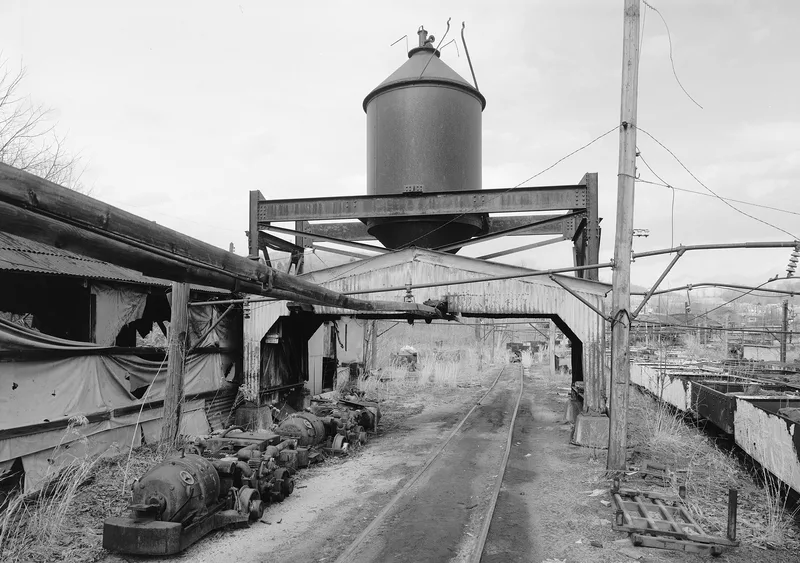
Begun in 1905 on farmland in southern Cambria County, the Eureka No. 40 mine and its surrounding patch town were built by the Berwind-White Coal Mining Company, with the houses constructed through its subsidiary, the Windber Lumber Company. The mine site sits on the creekside flats of Little Paint Creek, with a brick powerhouse completed in 1906 and a coal cleaning plant rebuilt in 1928 and expanded in 1941. The mine was among the company's most productive, reaching a peak of 767,921 tons in 1913, and its ventilation and power systems were regarded as advanced for their time. Patch houses were built in rows of identical double dwellings on a grid of streets up the hillside, typical of company towns across western Pennsylvania. The district is significant for its industrial technology and for its community planning, and it retains many of its mine buildings and worker houses, though some have lost original siding and windows.
Machine-generated summary. This summary was generated by a language model from the official nomination document and has not been reviewed line by line by an editor. It may contain errors. Check the source document before relying on any detail. Source: nomination document (PDF) · catalog entry. Generated October 2026 (model claude-haiku-5-5, prompt v1.1-2026-10-29).
| Period of significance | 1905-1942 |
|---|---|
| Areas of significance | Industry, Community Planning and Development |
| Acreage | 194 |
| Boundary source | NPS cultural-resource GIS polygon |
| Full listing page | Berwind-White Mine 40 Historic District (property record) |
What listing means for this property
This is a historic district. Buildings within its boundary are either contributing (they add to the district's significance) or non-contributing. Owners of contributing income-producing buildings can claim the 20% federal rehabilitation tax credit; homeowners should look at state credits. National Register districts impose no design review by themselves; a local historic district ordinance, if one exists, does (the difference explained).
General information, not legal or tax advice. Rules change; confirm with your State Historic Preservation Office or a qualified adviser.