Village of Addyston Historic District

Why it's listed
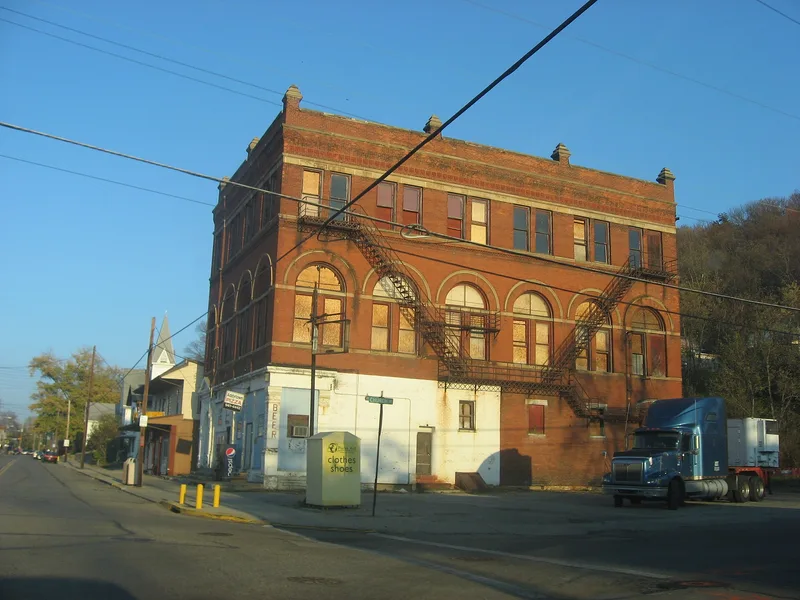
Addyston is a small industrial village stretched for about a mile along the Ohio River just west of Cincinnati. It grew from two hillside settlements, Sekitan and East Addyston, which were incorporated together in 1891, and it developed around a pipe-manufacturing plant established in 1889. The district takes in nearly all of the town's main streets and part of the plant, which is now operated by Monsanto. Of roughly 400 buildings, about 260 are houses, and most date from the village's first fifteen years. Eight recurring house types, mostly frame, gable-fronted and built around 1890, line the narrow streets in rows, including L-plan, T-plan, side-gable and pyramidal-roof forms. Six churches, two schools, a fire station, a social hall, boarding houses and commercial buildings are mixed in among them. Aluminum siding, replaced windows and small additions have altered some buildings, but the village still reads clearly as a company-driven workers' community.
Machine-generated summary. This summary was generated by a language model from the official nomination document and has not been reviewed line by line by an editor. It may contain errors. Check the source document before relying on any detail. Source: nomination document (PDF) · catalog entry. Generated October 2026 (model claude-sonnet-5-5, prompt v1.0-2026-10-29).
| Styles | Stick/Eastlake, Queen Anne, and vernacular workers' house types |
|---|---|
| Areas of significance | Industry, Community Planning and Development, Architecture |
| Acreage | 350 |
| Boundary source | NPS cultural-resource GIS polygon |
| Full listing page | Village of Addyston Historic District (property record) |
What listing means for this property
This is a historic district. Buildings within its boundary are either contributing (they add to the district's significance) or non-contributing. Owners of contributing income-producing buildings can claim the 20% federal rehabilitation tax credit; homeowners should look at state credits. National Register districts impose no design review by themselves; a local historic district ordinance, if one exists, does (the difference explained).
General information, not legal or tax advice. Rules change; confirm with your State Historic Preservation Office or a qualified adviser.