South Park Historic District

Why it's listed
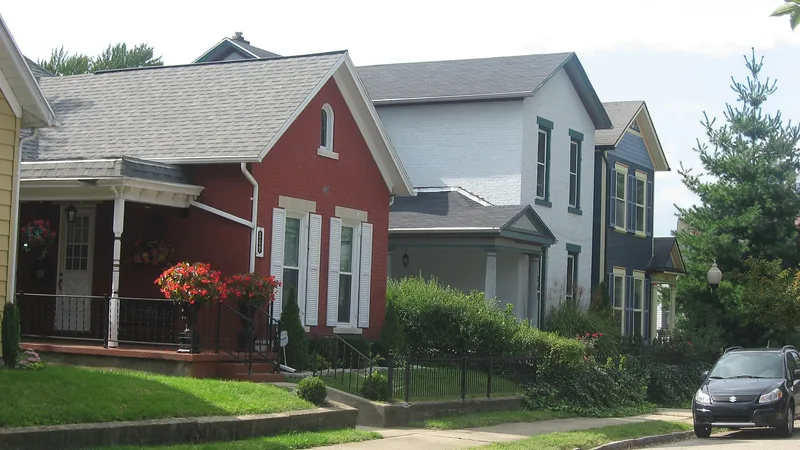
South Park is a 24-block residential district just south of downtown Dayton, preserving the best remaining part of a once much larger neighborhood. About half of its housing is modest L-shaped vernacular and cottage dwellings, many with Eastlake porches or Gothic-shaped gable windows. Second Empire, Italianate and Queen Anne houses, two Romanesque Revival churches, and several brick Federal houses add variety. Wrought iron fences, limestone hitching posts and carriage houses reinforce the nineteenth-century character. The area was once called Slidertown, a rough collection of shacks. After John H. Patterson placed the National Cash Register Company factory nearby in 1884, he promoted gardens, yard contests and welfare programs, and the neighborhood became South Park. Many NCR managers, salesmen and factory workers settled there alongside German-born craftsmen. With the original glass factory buildings demolished, the district is described as the last physical reminder of Patterson's commitment to his workers. Park Drive's boulevard remains its focal point.
Machine-generated summary. This summary was generated by a language model from the official nomination document and has not been reviewed line by line by an editor. It may contain errors. Check the source document before relying on any detail. Source: nomination document (PDF) · catalog entry. Generated October 2026 (model claude-sonnet-5-5, prompt v1.0-2026-10-29).
| Period of significance | 1880s-1900s |
|---|---|
| Styles | Folk-type L-shaped vernacular and cottage dwellings with Gothic, Eastlake or Queen Anne detailing; also Second Empire, High Victorian Italianate, Queen Anne, Romanesque Revival churches, and Federal houses |
| Areas of significance | Industry, Architecture, Social History |
| Acreage | 75 |
| Boundary source | NPS cultural-resource GIS polygon |
| Full listing page | South Park Historic District (property record) |
What listing means for this property
This is a historic district. Buildings within its boundary are either contributing (they add to the district's significance) or non-contributing. Owners of contributing income-producing buildings can claim the 20% federal rehabilitation tax credit; homeowners should look at state credits. National Register districts impose no design review by themselves; a local historic district ordinance, if one exists, does (the difference explained).
General information, not legal or tax advice. Rules change; confirm with your State Historic Preservation Office or a qualified adviser.