Ridgewood Historic District

Why it's listed
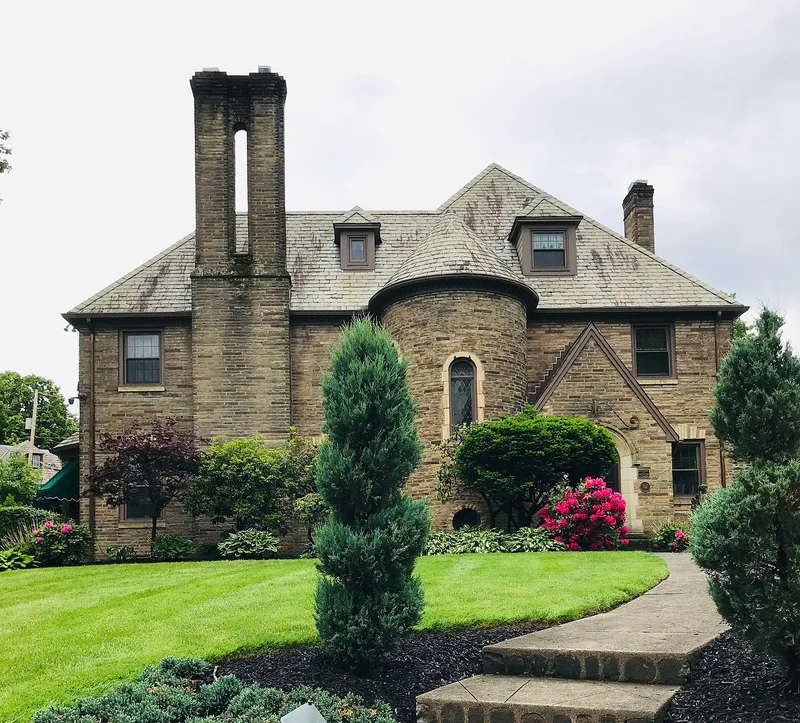
Ridgewood is a planned residential neighborhood in Canton, Ohio, spread along Market Avenue North about twenty blocks from the city center. Platted in stages between 1918 and 1924, it filled with roughly 190 buildings, most built from 1920 to 1930. Large houses sit back from tree-lined, brick-paved streets and are mostly designed by architects, many of them local. Tudor, French Norman, Georgian and Colonial Revival styles dominate, with leaded glass, slate roofs, hand-cut stone and tapestry brick. Charles Firestone, Herman Albrect, John S. Kelly and Louis Hoicowitz designed dozens of the homes. The district matters because it is Canton's only residential development of its period with this concentration of architect-designed Revival houses. Its paving brick came from the Metropolitan Paving Brick Company and its street lights from Union Metal Manufacturing, both Canton firms. Early residents included executives of Timken and Republic Steel, so the neighborhood also reflects the city's industrial rise.
Machine-generated summary. This summary was generated by a language model from the official nomination document and has not been reviewed line by line by an editor. It may contain errors. Check the source document before relying on any detail. Source: nomination document (PDF) · catalog entry. Generated October 2026 (model claude-sonnet-5-5, prompt v1.0-2026-10-29).
| Period of significance | 1920-1930 |
|---|---|
| Styles | Colonial Revival and Tudor Revival, with French Norman and Georgian Revival examples |
| Areas of significance | Architecture |
| Acreage | 104 |
| Boundary source | NPS cultural-resource GIS polygon |
| Full listing page | Ridgewood Historic District (property record) |
What listing means for this property
This is a historic district. Buildings within its boundary are either contributing (they add to the district's significance) or non-contributing. Owners of contributing income-producing buildings can claim the 20% federal rehabilitation tax credit; homeowners should look at state credits. National Register districts impose no design review by themselves; a local historic district ordinance, if one exists, does (the difference explained).
General information, not legal or tax advice. Rules change; confirm with your State Historic Preservation Office or a qualified adviser.