Observatory Historic District

Why it's listed
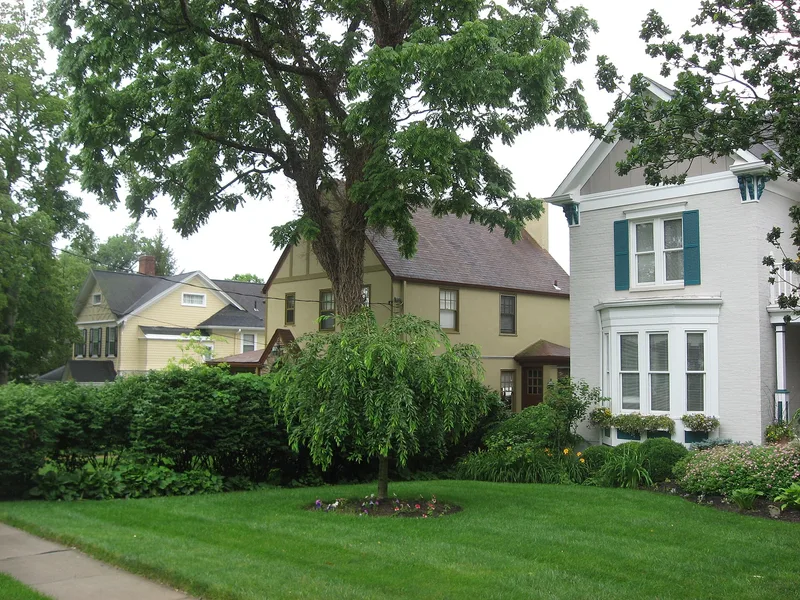
Observatory Historic District in Cincinnati groups eleven buildings around the Cincinnati Observatory, which opened at its Mt. Lookout site in 1873-1875 after the original observatory on Mt. Adams became unsuitable because of city growth and smoke. Next to it stands the small O. M. Mitchel Building, built 1904-1908 to house the original telescope. The surrounding houses on Observatory Avenue and Observatory Place date from about 1874 to 1923 and include a Second Empire house built for director Ormond Stone, an Eastlake-influenced house built for director Jermain G. Porter, and Shingle, Victorian and transitional designs. Many were built for professional and business people on lots platted by John Kilgour. The district was recognized for its architecture: the two observatory buildings are distinctive functional designs, and the houses form a compact streetscape showing how residential styles changed between 1874 and 1916. Seven buildings are treated as pivotal and four as background.
Machine-generated summary. This summary was generated by a language model from the official nomination document and has not been reviewed line by line by an editor. It may contain errors. Check the source document before relying on any detail. Source: nomination document (PDF) · catalog entry. Generated October 2026 (model claude-sonnet-5-5, prompt v1.0-2026-10-29).
| Period of significance | 1873-1916 |
|---|---|
| Styles | Greek Revival observatory buildings; Victorian residences including Second Empire, Eastlake, Shingle and transitional examples |
| Areas of significance | Science, Architecture |
| Acreage | 10.4 |
| Boundary source | NPS cultural-resource GIS polygon |
| Full listing page | Observatory Historic District (property record) |
What listing means for this property
This is a historic district. Buildings within its boundary are either contributing (they add to the district's significance) or non-contributing. Owners of contributing income-producing buildings can claim the 20% federal rehabilitation tax credit; homeowners should look at state credits. National Register districts impose no design review by themselves; a local historic district ordinance, if one exists, does (the difference explained).
General information, not legal or tax advice. Rules change; confirm with your State Historic Preservation Office or a qualified adviser.