Lytle Park Historic District

Why it's listed
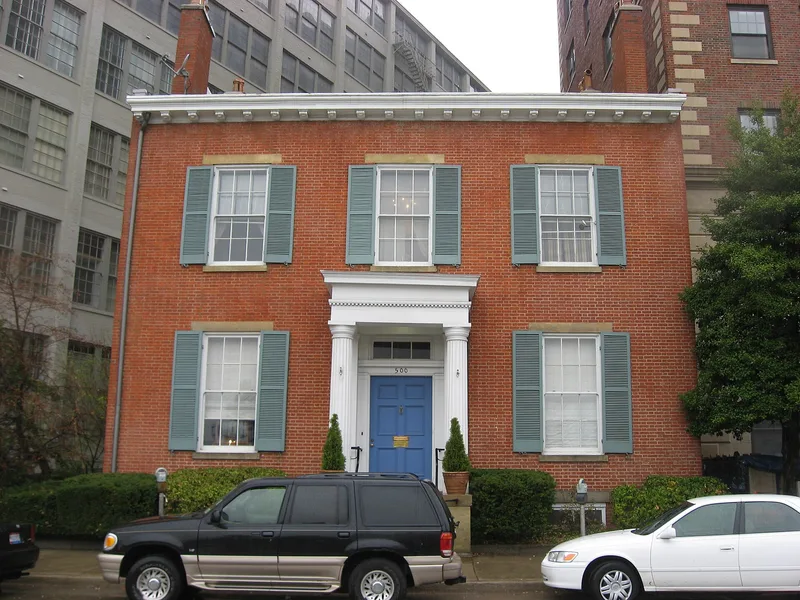
Lytle Park Historic District is a compact area of downtown Cincinnati built around Lytle Park, which became city property in 1905. The park lies on the site of Fort Washington, a log fort completed in 1789 where the village of Losantiville was renamed Cincinnati. Within a few blocks stand buildings from roughly 1820 to the early twentieth century in many styles. The Literary Club, built about 1820, shows Georgian influence. The Nolan, Keelor and Stites Building, about 1865, and the Academy of Medicine, about 1850, are Italianate townhouses. The Western and Southern Life Insurance building of 1916 uses Greek Revival elements, and the Chapel of the Holy Spirit, dedicated in 1927 and designed by Edward J. Schulter, is Gothic in inspiration. The Taft Museum and Fenwick Club were already listed separately. The park also holds a Lincoln statue by George Grey Barnard, dedicated in 1917. Together the buildings illustrate a continuous sequence of architectural fashions.
Machine-generated summary. This summary was generated by a language model from the official nomination document and has not been reviewed line by line by an editor. It may contain errors. Check the source document before relying on any detail. Source: nomination document (PDF) · catalog entry. Generated October 2026 (model claude-sonnet-5-5, prompt v1.0-2026-10-29).
| Styles | Mixed styles: Georgian, Federal, Italianate, Victorian, Greek Revival, Gothic, Tudor, Baroque |
|---|---|
| Areas of significance | Exploration/Settlement, Architecture |
| Acreage | 50 |
| Boundary source | NPS cultural-resource GIS polygon |
| Full listing page | Lytle Park Historic District (property record) |
What listing means for this property
This is a historic district. Buildings within its boundary are either contributing (they add to the district's significance) or non-contributing. Owners of contributing income-producing buildings can claim the 20% federal rehabilitation tax credit; homeowners should look at state credits. National Register districts impose no design review by themselves; a local historic district ordinance, if one exists, does (the difference explained).
General information, not legal or tax advice. Rules change; confirm with your State Historic Preservation Office or a qualified adviser.