Clifton Avenue Historic District

Why it's listed
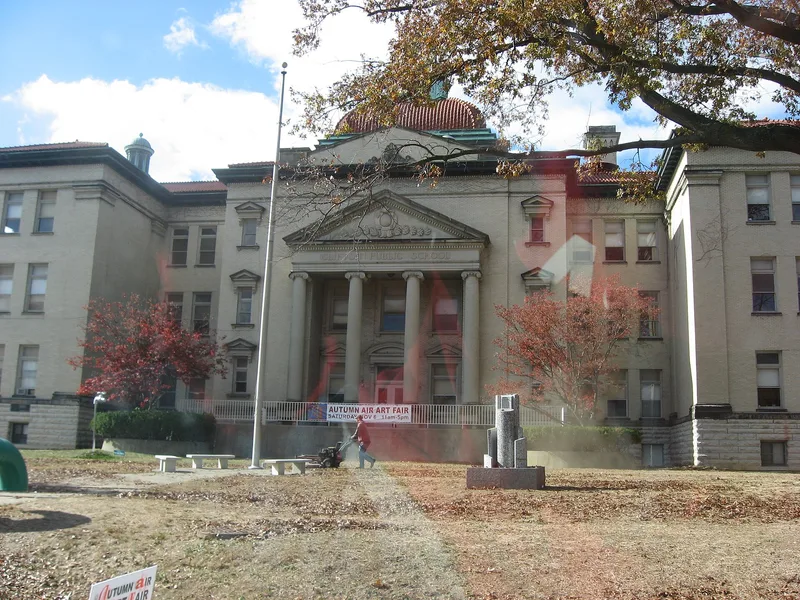
Clifton Avenue Historic District in Cincinnati covers a stretch of large houses and civic landmarks along Clifton Avenue, with adjoining parts of Greendale Avenue and Lafayette Circle. Once rural farmland, the area became a suburb of substantial residences, and it keeps a park-like feel through spacious lawns, mature trees and gas and electric boulevard lamps that the city retained at residents' request. Major landmarks include Clifton School, built on the site of the Resor Academy; the 1887 Probasco Fountain; the Balsh estate carriage house; Calvary Episcopal Church, dated 1867, with its Gothic Revival stone buildings; and the 1915 Abbe Meteorological Observatory. The houses range from an early farmhouse to Italian Villa, Gothic Revival, Georgian Revival and Neo-Colonial examples, many sharing classical details that visually link the district. The Resor House and the Joseph Rawson House were already individually listed.
Machine-generated summary. This summary was generated by a language model from the official nomination document and has not been reviewed line by line by an editor. It may contain errors. Check the source document before relying on any detail. Source: nomination document (PDF) · catalog entry. Generated October 2026 (model claude-sonnet-5-5, prompt v1.0-2026-10-29).
| Styles | Mixed 19th and early 20th century styles: Georgian Revival, Neo-Colonial, Italian Villa, Gothic Revival, Federal and classical |
|---|---|
| Areas of significance | Education, Architecture, Religion |
| Acreage | 40 |
| Boundary source | NPS cultural-resource GIS polygon |
| Full listing page | Clifton Avenue Historic District (property record) |
What listing means for this property
This is a historic district. Buildings within its boundary are either contributing (they add to the district's significance) or non-contributing. Owners of contributing income-producing buildings can claim the 20% federal rehabilitation tax credit; homeowners should look at state credits. National Register districts impose no design review by themselves; a local historic district ordinance, if one exists, does (the difference explained).
General information, not legal or tax advice. Rules change; confirm with your State Historic Preservation Office or a qualified adviser.