Brown-Gorman Farm

Why it's listed
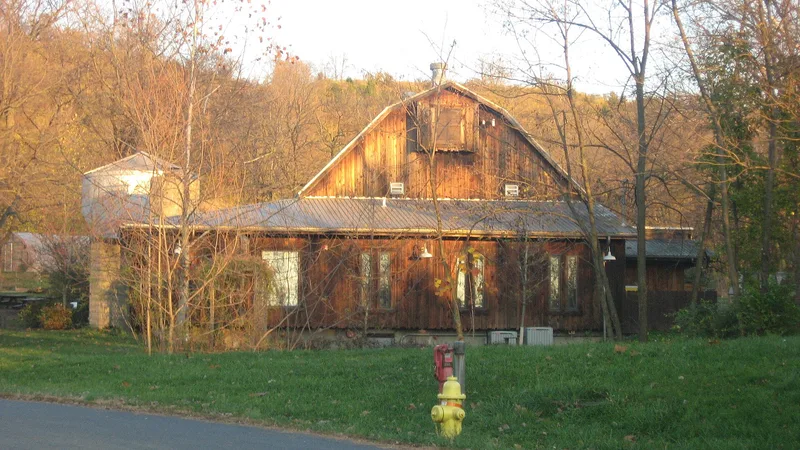
Eleven miles north of Cincinnati, in the Mill Creek valley community of Evendale, the Brown-Gorman Farm preserves a working farmstead that began around 1835. Its core is a two-story vernacular limestone house, later stuccoed, with a stone kitchen ell added about 1858. A Pennsylvania bank barn from 1835 has a cantilevered forebay and a rare swing beam in its threshing bay, and a south addition was made around 1900-1920. An alfalfa barn of 1911 reflects the Gorman family's early move into alfalfa hay, which they sold to local dairy farmers. Other buildings include a rabbit house, tractor shed, chicken house, corn cribs, springhouses and a fish pond, much of the stonework done by mason Ben Maxfield. Together the resources show how a single family farm modernized over more than a century. The original 99-acre farm is now part of a larger property owned by the Village of Evendale and managed as the Gorman Heritage Farm.
Machine-generated summary. This summary was generated by a language model from the official nomination document and has not been reviewed line by line by an editor. It may contain errors. Check the source document before relying on any detail. Source: nomination document (PDF) · catalog entry. Generated October 2026 (model claude-sonnet-5-5, prompt v1.0-2026-10-29).
| Styles | Mid-19th Century: Vernacular |
|---|---|
| Areas of significance | Architecture, Agriculture |
| Acreage | 99.6 |
| Boundary source | NPS cultural-resource GIS polygon |
| Full listing page | Brown-Gorman Farm (property record) |
What listing means for this property
This is a historic district. Buildings within its boundary are either contributing (they add to the district's significance) or non-contributing. Owners of contributing income-producing buildings can claim the 20% federal rehabilitation tax credit; homeowners should look at state credits. National Register districts impose no design review by themselves; a local historic district ordinance, if one exists, does (the difference explained).
General information, not legal or tax advice. Rules change; confirm with your State Historic Preservation Office or a qualified adviser.